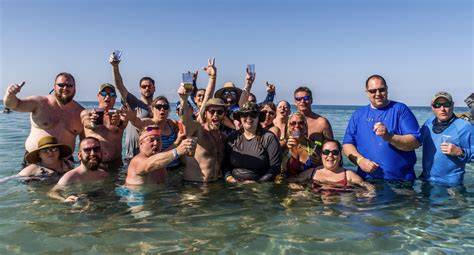
YES • A GROUP CRUISE CAN POTENTIALLY CREATE REAL VALUE FOR A NONPROFIT
Can a Nonprofit Make Money From a Group Cruise?
Yes, potentially. A nonprofit group cruise can create financial value through qualifying group benefits such as marketing credits and complimentary cabin value.
The nonprofit does not need to turn every traveler into a donor or inflate the cruise fare simply to create value.
Instead, the organization can build a real travel community, let supporters purchase a vacation they want to take and use applicable group benefits to support its mission.
- Supporters receive a real vacation
- Qualifying cabins can create organizational value
- The nonprofit can remain focused on community and mission

A REAL PERSON BEHIND EVERY GROUP
Meet Captain Chuck.
Chuck Lund is the founder of America's Best Cruises and a retired Captain with over 35 years of experience taking care of his guests.
He brings the same attention to planning, communication and detail to your group cruise.
His goal is simple: help your group choose wisely, understand your real costs and enjoy the anticipation without turning the organizer into an unpaid travel agent.
THE SIMPLE ANSWER
A Nonprofit Can Potentially Receive Financial Value From a Successful Group Cruise
The opportunity comes from building qualifying cruise participation and using applicable group benefits intentionally.
Choose the Cruise
Select a sailing supporters can realistically afford and enjoy.
Invite Supporters
Members, donors, volunteers, families and friends can participate.
Build Qualifying Cabins
Actual reservations determine the applicable benefit level.
Use the Value
The nonprofit decides how eligible benefits support its mission.

“MAKE MONEY” CAN MEAN SEVERAL DIFFERENT THINGS
What Kind of Financial Value Can a Nonprofit Receive?
Under the America’s Best Cruises structure, two primary forms of value are available as qualifying participation grows.
The first is a marketing credit tied to applicable cabin tiers.
The second is complimentary cabin value, which may create additional financial benefit depending on how the organization uses it.
GROUP CRUISE BENEFITS AT A GLANCE
How Can the Nonprofit’s Potential Value Grow?
These are America’s Best Cruises group benefit levels, not universal cruise-line entitlements. Final benefits depend on qualifying reservations and applicable terms.
ILLUSTRATIVE AMERICA’S BEST CRUISES EXAMPLES
What Could 40, 100 or 175 Qualifying Cabins Mean?
40 QUALIFYING CABINS
$1,000 Marketing credit+ 2–3 Complimentary cabins
100 QUALIFYING CABINS
$5,000 Marketing credit+ 5–11 Complimentary cabins
175 QUALIFYING CABINS
$13,125 Marketing credit+ 11–17 Complimentary cabins
Illustrative America’s Best Cruises examples only. Complimentary cabin value is separate from the marketing-credit amount and depends on applicable fares and benefit terms.
REVENUE • VALUE • FUNDRAISING • PROFIT ARE NOT THE SAME THING
Should a Nonprofit Call All of This “Profit”?
Not automatically.
The organization may receive financial value, but the ultimate accounting treatment depends on expenses, restrictions, tax classification and how the benefits are used.
“Fundraising value” or “organizational value” is usually a safer description until the nonprofit's accounting professionals determine the proper treatment.
KEEP THESE TERMS SEPARATE
THE NONPROFIT DOES NOT HAVE TO CREATE A MYSTERY MARKUP
Do Guests Have to Pay More for the Nonprofit to Benefit?
Not necessarily.
A nonprofit can potentially create organizational value through qualifying group benefits rather than simply increasing the advertised cruise price.
If the organization intentionally adds a separate fundraising charge, contribution or event fee, that should be explained clearly and structured appropriately.


A VACATION PURCHASE IS NOT AUTOMATICALLY A CHARITABLE CONTRIBUTION
Is the Guest's Cruise Fare Tax-Deductible?
It should not automatically be presented that way.
The traveler is receiving a cruise vacation in exchange for the cruise payment.
Whether a separate payment, fundraising charge or other transaction has special tax treatment depends on the specific facts and applicable tax law.
The nonprofit should obtain qualified tax or accounting guidance before making deductibility claims.
COMPLIMENTARY CABIN VALUE CAN BE USED IN DIFFERENT WAYS
How Could a Nonprofit Use Earned Cabin Benefits?
Host Cabin
Help cover accommodations for the person leading the group.
Volunteer Recognition
Recognize meaningful service where appropriate.
Special Guest
Invite someone important to the organization's mission.
Auction
Potentially create additional fundraising value where permitted.
Raffle
Potentially, subject to benefit terms and applicable law.
Other Approved Use
Follow organizational policy and applicable terms.

RAFFLES REQUIRE SPECIAL CARE
Can a Nonprofit Raffle a Complimentary Cruise Cabin?
Potentially, but the nonprofit should not assume the answer is automatically yes.
The applicable travel benefit must permit the intended use, and raffle laws can vary considerably by jurisdiction.
Licenses, registrations, disclosures or other requirements may apply.
AN AUCTION CAN POTENTIALLY TURN CABIN VALUE INTO ADDITIONAL FUNDRAISING VALUE
Can a Nonprofit Auction a Complimentary Cabin?
Potentially.
If the benefit terms permit transfer or use in an auction, the nonprofit may be able to use that opportunity to create additional fundraising proceeds.
The organization should still consider applicable fundraising rules, disclosure requirements and accounting treatment.

ILLUSTRATIVE EXAMPLE • 40 QUALIFYING CABINS
What Could a 40-Cabin Nonprofit Cruise Create?
Illustrative America’s Best Cruises example only. Complimentary cabin value is separate and depends on applicable terms.
ILLUSTRATIVE EXAMPLE • 100 QUALIFYING CABINS
What Could a Larger Nonprofit Cruise Create?
Under the America’s Best Cruises structure, 100 qualifying cabins fall in the 76–150 cabin tier.
That produces an illustrative $5,000 marketing credit plus 5–11 complimentary cabins, subject to applicable terms.
The nonprofit's total potential value can therefore be meaningfully larger than the marketing-credit amount alone.


ILLUSTRATIVE EXAMPLE • 175 QUALIFYING CABINS
What Could a Major Nonprofit Group Produce?
Under the America’s Best Cruises structure, 175 qualifying cabins produce an illustrative $13,125 marketing credit plus 11–17 complimentary cabins.
Complimentary cabin value remains separate and depends on the applicable fare and benefit terms.
This is an example of potential group value, not guaranteed nonprofit income.
FINAL QUALIFYING PARTICIPATION MATTERS
Can Cancellations Reduce What the Nonprofit Receives?
Yes, potentially.
If cancellations reduce the group's final qualifying cabin count, the applicable benefit tier may also change.
That is why a nonprofit should avoid treating projected benefits as final before qualification is established.
What Happens If Someone Cancels From a Group Cruise? →
BEING ON THE SAME SHIP DOES NOT AUTOMATICALLY MEAN A CABIN COUNTS
Does Every Supporter Who Books the Cruise Count Toward the Nonprofit’s Benefits?
Not automatically. Qualification can depend on booking method, fare, timing and the applicable group structure.
Same Sailing
Means the traveler is on the ship.
Formal Group
Requires the reservation to satisfy applicable group requirements.
Qualifying Cabin
Is what matters for the applicable benefit tier.

A FUNDRAISING CRUISE IS DIFFERENT FROM ASKING FOR A DIRECT DONATION
Why Might Supporters Like This Fundraising Model?
Because the supporter receives something substantial: a real vacation.
The community gets to spend meaningful time together while the organization may receive applicable benefits from qualifying participation.
That can create a different emotional experience than simply asking the same supporters for another check.
THE CRUISE CAN ALSO SUPPORT OTHER FUNDRAISING IDEAS
Can the Nonprofit Raise Additional Money During the Cruise?
Potentially, as long as any fundraising activities are appropriate for the organization, permitted by the cruise line where necessary and compliant with applicable law.
Silent Auction
Potentially, with appropriate planning and approvals.
Special Event
A reception or program can highlight the mission.
Optional Donation
Can be kept separate from the cruise purchase where appropriate.
Sponsor Support
An outside sponsor may potentially support an approved event.
Fundraising activities, solicitations, promotions and onboard events may require organizational review, legal compliance or cruise-line approval.
GOOD RECORDKEEPING PROTECTS THE ORGANIZATION AND ITS SUPPORTERS
How Should a Nonprofit Handle the Financial Side?
Keep the cruise transaction, organizational benefits and any separate fundraising proceeds clearly documented.
The organization's accountant or other qualified professional can advise how credits, cabin value, donations, expenses and proceeds should be recorded.
KEEP CLEAR RECORDS OF
LET THE NONPROFIT PROMOTE THE MISSION • LET TRAVEL SUPPORT HANDLE THE TRAVEL
Does the Nonprofit Need to Become a Travel Agency?
Not simply to host or promote the community experience.
Travel-sale functions such as booking support and payment processing can be handled through appropriately authorized travel support.
Rules concerning selling travel, compensation, advertising, registration and fundraising can vary by jurisdiction, so organizations should obtain appropriate professional advice when specific legal questions arise.
Does a Group Cruise Organizer Have to Be a Travel Agent? →

THE NONPROFIT DOES NOT NEED TO BECOME THE CRUISE CASHIER
Who Handles Guest Cruise Payments?
Each traveler remains responsible for their own reservation and applicable payment obligations.
Payment is made through the applicable agency or booking channel, cruise line or approved financing provider as appropriate.
The nonprofit or group leader should not need to collect or hold guest cruise funds.
Who Handles Payments for a Group Cruise? →KEEP EVERYONE FOCUSED ON THE ROLE THEY DO BEST
Who Handles What?
NONPROFIT
Mission & Community
- Invites supporters
- Explains the mission
- Promotes the cruise
- Helps shape group events
- Decides how benefits are used
AMERICA’S BEST CRUISES
Travel Support
- Helps compare sailings
- Helps establish the group
- Supports reservations
- Answers guest travel questions
- Coordinates applicable group requests
TRAVELER
Personal Reservation
- Chooses whether to travel
- Selects a cabin
- Provides traveler information
- Makes applicable payments
- Meets personal deadlines
GIVE SUPPORTERS TIME TO TURN GOOD INTENTIONS INTO REAL RESERVATIONS
How Far in Advance Should a Nonprofit Plan the Cruise?
For many groups, approximately 8–14 months before sailing is a practical planning window.
Larger, more complex or high-demand groups may benefit from approximately 12–18 months or more.
More lead time gives supporters time to budget, request vacation and coordinate transportation.
How Far in Advance Should You Plan a Group Cruise? →
PROMOTE THE VACATION AND THE MISSION TOGETHER
How Should a Nonprofit Promote the Cruise?
The strongest message usually combines the emotional appeal of traveling together with a clear explanation of how participation can support the organization.
Lead With the Trip
Show people why the cruise itself is worth taking.
Explain the Mission
Tell supporters why the group experience matters.
Explain the Benefits
Describe potential organizational value without guarantees.
Keep Communicating
Use reminders, updates and practical information over time.

THE OPPORTUNITY CAN EXTEND BEYOND CURRENT DONORS
Who Can Join a Nonprofit Fundraising Cruise?
Depending on the group and sailing, the invitation may extend well beyond existing donors.
Members, volunteers, families, friends, alumni, former members and people who simply care about the mission may all be potential travelers.
That wider community can make the cruise both a fundraising opportunity and a relationship-building event.
THE NONPROFIT DOES NOT NEED TO TURN THE CRUISE INTO A WEEK-LONG FUNDRAISER
What Should Happen Onboard?
For many nonprofit cruises, a few meaningful moments can be enough to reinforce the mission while leaving everyone plenty of vacation time.
Welcome
Bring supporters together and set the tone.
Mission Moment
Celebrate the organization's impact and community.
Farewell
Thank supporters and close the experience together.
Private space, A/V, food and beverage, receptions and other event requests remain subject to availability, applicable fees and cruise-line approval.
PROJECT POTENTIAL • NEVER PROMISE THE MAXIMUM
Should a Nonprofit Promise How Much the Cruise Will Raise?
No.
Interest, reservations and final qualifying participation are three different things.
The organization can show clearly labeled examples while explaining that final benefits depend on actual qualifying reservations and applicable terms.


THE FUNDRAISING MODEL IS SIMPLE WHEN THE ROLES ARE CLEAR
How Does the Whole Fundraising Cruise Work?
The nonprofit identifies a community of likely travelers, chooses a practical cruise and invites supporters to participate.
Guests make their own travel decisions and reservations. As qualifying cabins grow, the applicable group benefits can create organizational value.
How Does a Fundraising Cruise Work? →THE TOTAL OPPORTUNITY DEPENDS ON ACTUAL PARTICIPATION
How Much Could a Nonprofit Fundraising Cruise Raise?
There is no universal or guaranteed amount. The useful way to estimate potential is to model realistic qualifying cabin scenarios.
Estimate
Choose a realistic cabin range before launch.
Track
Monitor actual qualifying reservations as the group grows.
Finalize
Use final qualified participation to determine actual value.
A STRONG NONPROFIT CRUISE WORKS ON THREE LEVELS
Vacation • Community • Mission
If supporters want the vacation, enjoy the community and understand how the organization benefits, the fundraising opportunity becomes much easier to explain.
NONPROFIT GROUP CRUISE FAQ
How Does the Financial Side Really Work?
A nonprofit can potentially receive meaningful group value, but the safest approach is to keep travel, fundraising, accounting and legal responsibilities clearly separated.

Can a nonprofit make money from a group cruise?
Yes, potentially. Under the America’s Best Cruises structure, qualifying cabin participation can create marketing credits and complimentary cabin value for the organization.
Is the amount guaranteed?
No. Final value depends on qualifying reservations, applicable benefit tiers and program terms.
What does “make money” mean in this context?
It can mean receiving financial or organizational value through marketing credits, complimentary cabin value or properly structured fundraising activities.
Should the nonprofit call the benefits profit?
Not automatically. The accounting treatment depends on expenses, restrictions and applicable accounting or tax rules. “Fundraising value” or “organizational value” may be more precise.
What happens with 20 qualifying cabins?
Under the America’s Best Cruises structure, 20 qualifying cabins fall within the 10–30 cabin tier, which provides 1–2 complimentary cabins and no per-cabin marketing credit, subject to applicable terms.
What happens with 40 qualifying cabins?
Forty qualifying cabins correspond to an illustrative $1,000 marketing credit plus 2–3 complimentary cabins under the America’s Best Cruises structure.
What happens with 100 qualifying cabins?
One hundred qualifying cabins correspond to an illustrative $5,000 marketing credit plus 5–11 complimentary cabins under the America’s Best Cruises structure.
What happens with 175 qualifying cabins?
One hundred seventy-five qualifying cabins correspond to an illustrative $13,125 marketing credit plus 11–17 complimentary cabins under the America’s Best Cruises structure.
Are marketing credits guaranteed cash?
They should not automatically be described as unrestricted cash. The exact treatment depends on the applicable arrangement.
Is complimentary cabin value separate from the marketing credit?
Yes. Complimentary cabin value is separate from the illustrated marketing-credit amount.
How much is a complimentary cabin worth?
There is no universal value. It depends on the applicable fare and benefit terms.
Is a complimentary cabin completely free?
Not necessarily. Taxes, fees, gratuities, non-commissionable charges or optional purchases may still be payable.
Can the nonprofit use a complimentary cabin for the group host?
Potentially, subject to applicable benefit terms and the nonprofit's approved use.
Can the nonprofit give a complimentary cabin to a volunteer?
Potentially, subject to applicable terms, organizational policy and accounting or tax considerations.
Can the nonprofit auction a complimentary cabin?
Potentially, if the applicable travel-benefit terms and fundraising rules permit the intended use.
Can the nonprofit raffle a complimentary cabin?
Potentially, but raffle laws can vary by jurisdiction and may require licenses, registration or other compliance.
Is the guest's cruise payment tax-deductible?
It should not automatically be represented as tax-deductible because the traveler receives a vacation in exchange for the cruise payment.
Can a separate donation be tax-deductible?
Potentially, depending on the specific transaction, organization and applicable tax rules. Qualified tax guidance should be used for specific advice.
Do fundraising cruise guests have to pay more?
Not necessarily. Fundraising value can come from applicable group benefits rather than automatically increasing every traveler's cruise fare.
Should any separate fundraising fee be disclosed?
Yes. Any additional amount intentionally charged for a fundraising purpose should be explained clearly and structured appropriately.
Does every cabin automatically count toward the benefit tier?
No. Qualification can depend on booking method, fare, timing and applicable group terms.
Can independently booked cabins automatically count?
No. A reservation on the same sailing should not automatically be assumed to qualify with the formal group.
Can cancellations reduce the nonprofit's benefits?
Yes, potentially. A lower final qualifying cabin count can result in a different benefit tier.
Can the nonprofit conduct other fundraising during the cruise?
Potentially, subject to organizational rules, applicable law and cruise-line approval where necessary.
Can the nonprofit ask for optional donations?
Potentially. Any separate donation program should be structured appropriately and kept clearly distinguished from the travel purchase.
Does the nonprofit need to become a travel agency?
Not simply to host or promote the community experience. Travel-sale functions can be handled through appropriately authorized travel support, while applicable rules vary by jurisdiction.
Who handles guest reservations?
Applicable travel professionals and booking channels can handle the reservation process while the nonprofit focuses on its supporters and mission.
Who collects the guests' cruise payments?
Payment is made through the applicable agency or booking channel, cruise line or approved financing provider as appropriate. The nonprofit should not need to collect or hold guest cruise funds.
Does the nonprofit need an accountant?
Qualified accounting or tax advice can be valuable when deciding how benefits, fundraising proceeds, expenses or other transactions should be recorded.
Should the nonprofit keep records of complimentary cabin use?
Clear documentation is advisable so the organization can account for how financial value and benefits were used.
How much can a nonprofit fundraising cruise raise?
There is no guaranteed amount. The most useful estimate begins with realistic qualifying cabin scenarios and the applicable benefit tiers.
How far ahead should the nonprofit plan the cruise?
For many groups, approximately 8–14 months is practical. Larger or more complex groups may benefit from 12–18 months or more.
Can friends and family join the nonprofit cruise?
Generally, yes, subject to the cruise line, ship, sailing and traveler requirements.
Does everyone have to attend every nonprofit event onboard?
No. A few planned shared experiences can reinforce the mission while leaving guests plenty of vacation time.
Should the nonprofit promise a specific fundraising result?
No. Use clearly labeled illustrations or ranges and base final reporting on actual qualifying results.
What does America’s Best Cruises help with?
America’s Best Cruises can help compare sailings, establish the applicable group, support reservations, explain group benefit levels and coordinate applicable dining, events, meeting space and other group arrangements.
RELATED NONPROFIT & FUNDRAISING CRUISE QUESTIONS
Build the Fundraising Plan Around Real Group Participation
GIVE SUPPORTERS A VACATION WORTH TAKING • GIVE YOUR NONPROFIT ANOTHER WAY TO BUILD COMMUNITY AND VALUE
Let’s See What a Group Cruise Could Mean for Your Nonprofit
Tell us about your organization, the people you serve, approximately how many cabins may be realistic and what you hope the cruise can accomplish. We can help compare practical sailings and translate possible group participation into clearly explained benefit scenarios.