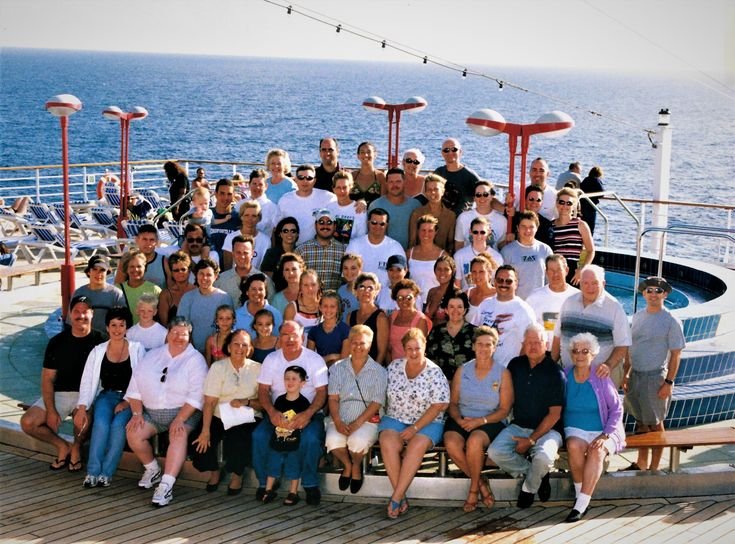
GROUP CRUISING
What Is a Group Cruise? Planning Made Easier
One Shared Voyage, Personal Choices and Far Fewer Details for the Organizer to Chase.
A group cruise brings multiple travelers together on the same ship and dates under one coordinated plan. Everyone keeps their own cabin and vacation choices while the important arrangements remain connected.
Families, friends, teams, clubs, organizations and supporters can share meaningful moments without requiring one person to manage a complicated land vacation.
What Is a Group Cruise?
A group cruise is a coordinated vacation in which multiple cabins sail together under a group arrangement. Travelers book their own accommodations and make personal choices while shared details such as cabin inventory, payment deadlines, dining requests and selected events can be managed in one place. Depending on the cruise line and qualifying bookings, the group may also receive additional value or amenities.

MEET THE PERSON BEHIND THE ADVICE
Meet Captain Chuck
Chuck Lund is the founder of America’s Best Cruises and a retired Captain with over 35 years of experience taking care of his guests. He brings the same attention to planning, communication and detail to your group cruise.
His goal is simple: help turn “We should all cruise together” into a vacation everyone can look forward to, with clear choices, coordinated details and personal support so the organizer can bring the people together without becoming the group’s unpaid travel agent.
“I treat every guest like family because that's what these trips are all about.”
WATCH
Budgeting for an Unforgettable Group Cruise
A realistic budget helps more people participate and gives travelers the confidence to choose the cabin and optional experiences that suit them.
Good group planning begins with the complete vacation cost, not merely the first advertised fare.
MORE THAN THE SAME SHIP
Coordination Is What Makes It a Group Cruise
Several people independently booking the same sailing are traveling together. A true group arrangement connects the reservations through a coordinated plan.
One Sailing
Everyone travels on the same ship, departure date and itinerary.
Coordinated Cabins
Selected inventory and cabin requests can be managed together.
Shared Information
Deadlines, instructions and updates come from one reliable plan.
Personal Vacations
Each traveler still chooses a cabin, activities and individual pace.
GROUP SIZE
How Many Cabins Make a Group?
The exact minimum varies. Many traditional programs begin around eight cabins, while other arrangements may work with fewer travelers or require more qualifying cabins for particular benefits.
Guest interest is not the same as booked inventory. Benefits commonly depend on eligible cabins that are reserved and paid under the group terms.
Confirm in Writing
- Minimum qualifying cabins
- Eligible cabin categories
- Deposit requirements
- Inventory release dates
- Final-payment deadline
- How benefits are calculated
WHO CAN SAIL TOGETHER?
Almost Any Community Can Create a Group Cruise
You do not need to be an event planner. You need a reason to gather, a realistic estimate and a few early decisions.
Reunions and Milestones
Bring several generations together without requiring the same schedule.
Shared Celebrations
Celebrate birthdays, anniversaries or long-overdue time together.
Community at Sea
Clubs, alumni, teams and associations can gather around a common purpose.
Travel With Purpose
Supporters can connect while helping an organization pursue its mission.
MULTIGENERATIONAL TRAVEL
Everyone Can Find a Comfortable Pace
Grandparents can enjoy a quiet ocean-view morning while children join age-appropriate programming and adults head to a show or shore excursion.
The group can return for dinner, photographs and the spontaneous moments that make time together memorable.
Built-In Variety
- Quiet spaces
- Pools and recreation
- Live entertainment
- Dining choices
- Age-appropriate programming
- Port activities at different energy levels
WHY IT FEELS EASIER
One Vacation Framework Replaces Many Separate Reservations
A land trip can require separate hotels, transportation, restaurants and activities. A cruise brings much of that structure together.
One Moving Hotel
Guests unpack once and keep the same cabin between destinations.
Several Choices Nearby
Included and optional venues make different preferences easier to manage.
Activities Are Built In
Shows, music and recreation reduce the need to plan every hour.
The Ship Moves the Group
Everyone arrives at the next destination together.
KNOW THE COMPLETE COST
Convenient Does Not Mean Everything Is Included
Cruise fares vary by cabin, occupancy, sailing date, taxes, fees and promotions. Optional purchases can also change the total vacation budget.
Clear information protects the group from surprises and lets every traveler choose the experience that fits.
Possible Additional Costs
- Transportation and hotels
- Daily gratuities
- Shore excursions
- Specialty dining
- Wi-Fi and optional packages
- Travel protection and personal spending
STEP 1
Begin With a Realistic Guest Estimate
Final names are not necessary on day one. A sensible estimate helps identify ships and sailings with enough useful cabin inventory.
Define the Group
Know who the trip is intended to bring together.
Estimate Interest
Separate likely travelers from people who simply like the idea.
Discuss Budget
Use a comfortable range rather than one perfect number.
Identify Needs
Note accessibility, family and cabin considerations early.
STEP 2
Choose the Ship and Itinerary for Your People
The newest or largest ship is not automatically best. Families may prioritize youth programming and flexible dining. Adults celebrating a milestone may care more about food, music and convenient departure ports.
Consider travel costs, identification requirements, mobility needs and the pace of port days along with the attractions onboard.
Compare
- Departure city
- Sailing length
- Sea days and port days
- Ship atmosphere
- Dining and entertainment
- Accessibility and walking distances
STEP 3
Hold Useful Space Before the Best Choices Disappear
Popular ships and school-break sailings can fill quickly. When group space is available, an initial cabin block may give travelers time to choose without booking independently.
Offer Real Choice
Include categories that suit the group’s likely budgets.
Explain Commitment
Tell travelers what is due and whether it is refundable.
Watch the Inventory
Unused space may return to public availability.
Protect Every Booking
Communicate the deadline and cancellation schedule clearly.
STEP 4
Make Together-Time Intentional
A little coordination creates connection, but too much scheduling can make a vacation feel like a conference.
Choose a few anchor moments, then allow travelers to enjoy the ship and destinations at their own pace.
Simple Anchor Moments
- Embarkation-day meeting point
- Welcome gathering
- Group dinner
- Optional shore excursion
- Group photograph
- Special celebration
GROUP BENEFITS
Added Value Is Possible, Not Automatic
Benefits depend on the cruise line, agreement, inventory and qualifying bookings. Compare the written value rather than relying on a general promise.
Possible Spending Value
Eligible bookings may receive credit under certain arrangements.
Easier Reconnection
Coordinated requests can help guests dine together.
A Place to Gather
Availability and charges depend on the ship and group.
Read the Formula
Credits may depend on qualifying cabins and eligible fare components.
COMMON MISTAKES
What Makes Group Planning Harder?
Starting Too Late
Nearby cabins and group inventory may disappear.
Giving Everyone One Choice
Travelers need cabin and activity options that fit them.
Planning Every Hour
Shared moments work better when personal time is protected.
Carrying Every Detail
The group leader should be the host, not the travel department.
THE GROUP-CRUISE TEST
Five Questions Before You Choose a Sailing
Who?
Which travelers are genuinely likely to join?
Why?
What brings the group together?
When?
Which dates work for the key guests?
How Much?
What total budget feels realistic?
What Style?
Which ship and itinerary fit the group?
THE REAL ADVANTAGE
Bring Everyone Together Without Carrying Every Detail
At America’s Best Cruises, Captain Chuck helps groups move from the first idea through final boarding. Travelers receive clear guidance while the organizer gets to enjoy the anticipation too.
The best time to begin is when the idea still feels exciting. Turn “We should all cruise together” into a few practical choices and leave room for the laughter and ocean-view memories.
A group cruise gives everyone their own vacation while making the best moments easy to share.
THINKING ABOUT BRINGING A GROUP TOGETHER AT SEA?
Tell Captain Chuck About Your Group
You do not need to know the ship, destination or exact dates yet. Tell us who you want to bring together, roughly how many people may travel and what matters most. We’ll help turn the idea into realistic cruise options and a planning structure that does not leave the organizer responsible for every cabin, question and deadline.