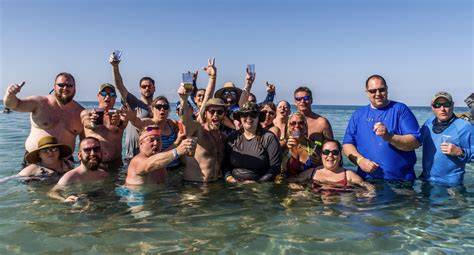
CORPORATE GROUP CRUISES
Reimagine Your Company Retreat: Where Business Meets Bold Adventure
Trade the Same Conference Room for a Shared Experience Your Team Will Actually Remember.
A company retreat should do more than move meetings to a different building. The best retreats create space for people to think, connect and spend time together outside the usual work routine.
A cruise can combine structured meeting time, shared meals, team activities and memorable destinations while still giving employees room to relax and enjoy the trip in their own way.
Why Consider a Cruise for a Company Retreat?
A cruise can place lodging, dining, entertainment, meeting opportunities and destinations in one shared environment. That can simplify logistics while giving a team a memorable setting for strategy, recognition, relationship-building and downtime.

MEET THE PERSON BEHIND THE ADVICE
Meet Captain Chuck
Chuck Lund is the founder of America’s Best Cruises and a retired Captain with over 35 years of experience taking care of his guests. He brings the same attention to planning, communication and detail to helping companies turn a retreat into a shared experience people genuinely value.
His goal is simple: understand what your organization wants the retreat to accomplish, then help choose the ship, itinerary and group arrangements that support it. America’s Best Cruises handles the travel details so company leaders can focus on their people, their purpose and the conversations worth having together.
“I treat every guest like family because that's what these trips are all about.”
WATCH
Corporate Retreats Elevated
A retreat feels different when the environment feels different. This video explores how a cruise can blend business goals with a shared travel experience that gives teams something more memorable than another hotel ballroom.
The goal is not to schedule every minute — it is to create the right moments for people to connect.
ADVANTAGE 1
One Destination for Meetings, Meals and Team Time
Traditional retreats can involve separate hotels, restaurants, meeting rooms and transportation. A cruise brings many of those pieces together in one place.
Lodging
Everyone returns to the same ship and keeps the same cabin throughout the sailing.
Dining
Shared meals can become natural team touchpoints without arranging an offsite restaurant every night.
Meeting Time
Appropriate spaces may be available depending on the ship, group size and cruise line.
Entertainment
The ship already provides plenty of ways for employees to enjoy the evening without another planned event.
ADVANTAGE 2
Change the Environment and Change the Conversation
Teams often think differently when they are removed from the usual office routine. A new environment can make conversations feel less formal and create more opportunities for people to interact naturally.
A Retreat Can Focus On
- Strategy
- Team alignment
- Recognition
- Leadership development
- Company culture
- Relationship-building
ADVANTAGE 3
Build Connection Without Forcing Constant Togetherness
A team retreat works better when people have meaningful time together and enough personal time to recharge.
Focused Session
Use a limited block of time for the business priorities that actually matter.
Personal Choice
Let employees explore the ship or enjoy their own activities.
Shared Dinner
A meal can bring the team back together without creating another formal meeting.
Shared or Independent
Choose one meaningful group experience and leave other ports flexible.
ADVANTAGE 4
Recognition Feels More Meaningful on a Shared Journey
Employee recognition can feel more memorable when it becomes part of a larger experience rather than another presentation in the office.
Celebrate Publicly
A shared dinner or event can provide a natural setting for recognition.
Mark the Moment
Anniversaries, promotions and achievements can become part of the retreat story.
Make It Personal
Recognition can be simple and still feel significant when the setting is special.
Capture the Team
One well-planned photo can become a useful memory of the experience.
ADVANTAGE 5
Use the Ship’s Existing Activities Instead of Inventing Everything
A retreat does not need a custom team-building exercise every hour. The ship already provides entertainment, recreation and shared spaces that can help people interact naturally.
Pick One Group Activity
Choose something simple that fits the team’s interests.
Keep It Optional Where Possible
Not every employee enjoys the same kind of activity.
Protect Free Time
Unstructured time can be valuable for informal conversation and genuine rest.
Reconnect Later
Use meals or one evening event to bring everyone back together.
MEETING STRATEGY
Keep the Business Sessions Short and Purposeful
Flying or driving everyone to a retreat just to recreate the normal workday defeats the point. Decide what truly deserves face-to-face time.
Good Retreat Sessions
- Major strategy decisions
- Team priorities
- Cross-department collaboration
- Leadership conversations
- Recognition
- Ideas that benefit from being in the same room
ITINERARY
Choose a Route That Supports the Retreat
The itinerary should work with the business goals rather than compete with them. Sea days can be especially useful for structured group time.
Natural Meeting Time
Use ship days for focused sessions without sacrificing a destination.
Let the Team Explore
Destinations can become the reward for focused work completed onboard.
Compact Retreat
A shorter sailing may work for teams that need a concentrated experience.
More Breathing Room
Additional days may create more time for both meetings and relaxation.
SHIP SELECTION
The Right Ship Matters as Much as the Destination
A corporate group may value meeting areas, reliable connectivity, dining flexibility and quiet spaces differently than a family reunion.
Compare
- Meeting-space options
- Internet and connectivity choices
- Dining flexibility
- Cabin categories
- Public spaces
- Entertainment
- Overall atmosphere
CABINS
Give Employees Appropriate Choices
Cabin strategy can affect both budget and comfort. The right approach depends on the organization, group size and retreat goals.
Practical Option
Can provide a straightforward baseline for the group.
Define the Policy
If upgrades are available, make the company’s reimbursement or personal-upgrade rules clear.
Plan Deliberately
Cabin choices should support the retreat rather than accidentally create awkward status signals.
Address Early
Appropriate accommodations should be handled through the proper booking process.
TEAM CULTURE
The Best Conversations May Happen Outside the Meeting Room
Informal time can help employees interact across departments or roles in ways that are harder to create during normal workdays.
Start Casually
Small conversations can happen before the formal agenda begins.
Cross-Team Time
Employees may spend time with people they rarely see at work.
Share the Day
A meal can bring people together without another presentation.
Shared Experience
A memorable destination can give the team something to talk about long after the retreat.
A SIMPLE RETREAT RHYTHM
Work, Explore, Reconnect
Focused Business
Use a defined block for the retreat’s most important work.
Personal Time
Allow employees to relax, explore or enjoy the ship.
Shared Dinner
Bring the team back together without another formal session.
Experience Something
Use the destination as part of the retreat rather than squeezing in more meetings.
WHAT TO AVOID
Do Not Turn the Cruise Into a Floating Office
A retreat loses its value when employees are scheduled from breakfast through bedtime.
Protect the Experience
Only schedule sessions that truly benefit from in-person time.
Give Choice
Not every activity needs to be a team activity.
Leave Space
Employees should have time to decompress and enjoy the trip.
Know the Purpose
A beautiful setting cannot fix a retreat with no clear objective.
THE CORPORATE-RETREAT TEST
Seven Questions Before You Book
What Is the Goal?
Strategy, recognition, culture or connection should be clearly defined.
Does the Ship Fit?
Compare spaces, cabins, dining and connectivity.
Does the Itinerary Fit?
Sea days and port days should support the retreat schedule.
Is the Agenda Too Full?
Remove anything that does not need to happen in person.
Is There Real Free Time?
Employees need room to enjoy the experience.
Is Recognition Included?
Use the retreat to celebrate people and progress.
Will People Remember It?
The setting should add value beyond the meeting agenda.
THE SIMPLE RULE
Do the Work That Matters — Then Let the Retreat Be a Retreat
A company retreat should create something the normal workweek cannot: perspective, shared experience and time for people to connect outside their usual roles.
Use the cruise to make that easier, not to recreate the office at sea.
THE REAL REWARD
Your Team Comes Home With More Than Meeting Notes
The strategy session may be important. The recognition dinner may matter. The port everyone experienced together may become the story people still tell months later.
That combination of purpose and shared memory is what makes a retreat feel different from another business trip.
A great company retreat creates better conversations, stronger connections and a shared experience people actually want to remember.
PLANNING A COMPANY RETREAT THAT PEOPLE WILL ACTUALLY LOOK FORWARD TO?
Tell Captain Chuck About Your Team
Tell us roughly how many people may travel, where the team is based, the budget range and what you want the retreat to accomplish. You do not need the ship, dates or destination selected yet. We’ll help compare the travel logistics, meeting needs, shared experiences and individual downtime so the retreat feels purposeful without turning the organizer into the company travel department.