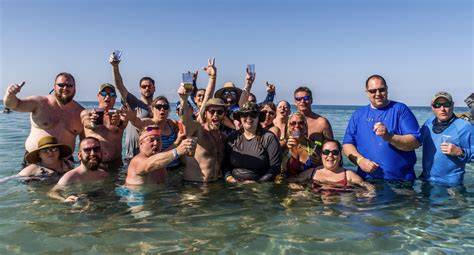
KONA • KAILUA VILLAGE • HAWAIIAN HISTORY • COFFEE COUNTRY • WEST HAWAIʻI
Kona Cruise Guide: Historic Kailua Village, Coffee Country & Hawaiian History
Kona is the sunny west-side version of Hawaiʻi Island: historic Kailua Village, royal sites, coffee country and a dry volcanic coastline.
Your ship typically anchors offshore and tenders into Kailua Pier, placing you close to Aliʻi Drive and Historic Kailua Village.
From there, the best day usually becomes one of three things: historic Kona, coffee country or a deeper Hawaiian cultural day farther south.
- Understand Kona as a tender port rather than a docked cruise terminal
- Keep the port day focused on west-side Hawaiʻi Island
- Choose historic Kailua, coffee country or Hawaiian cultural sites as the main story
FIRST, UNDERSTAND THE ARRIVAL
Do Cruise Ships Dock in Kona?
Generally, no.
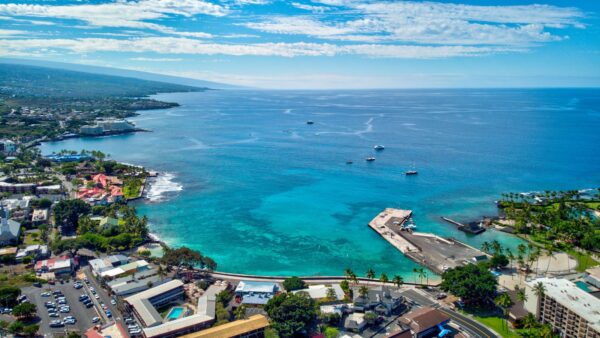
Norwegian currently identifies Kailua Pier as an offshore-anchor port, meaning passengers come ashore by tender.
That arrival is part of the planning. Tender operations can depend on ship procedures, sea conditions and weather, so shore plans should preserve extra time.
The upside is location: once ashore, Historic Kailua Village and Aliʻi Drive are right around the waterfront.
THE KONA DECISION
Which West-Side Port Day Fits You?
Stay close to the tender landing and combine Aliʻi Drive, royal history, food and waterfront scenery.
Learn about the Hawaiian monarchy in the heart of Kailua-Kona.
Head into the cooler uplands for farms, art and Kona’s agricultural story.
Explore Native Hawaiian history through fishponds, heiau and coastal settlement landscapes.
Make royal grounds and a culturally significant place of refuge the main experience of the day.
THE EASY FIRST-TIME KONA PLAN
Why Spend Time in Historic Kailua Village?
GoHawaii describes Historic Kailua Village as a lively seaside town with shopping, dining and important Hawaiian historic sites.
King Kamehameha I spent his final years in the Kailua area, and the village still contains places connected to the Hawaiian monarchy and early modern Hawaiian history.
For cruise passengers, this is the lowest-logistics way to experience Kona with real cultural substance.
A WALKABLE HISTORIC CORE
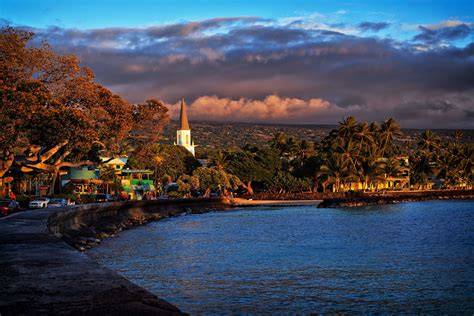
What Can You See Around Aliʻi Drive?
Built in 1838, Huliheʻe Palace became a residence and retreat associated with Hawaiian royalty.
One of the longstanding historic landmarks along Aliʻi Drive in Kailua-Kona.
A significant heiau associated with the final years of Kamehameha I in the Kailua area.
HAWAIIAN MONARCHY ON ALIʻI DRIVE
Huliheʻe Palace
GoHawaii says Huliheʻe Palace was built in 1838 and served as a royal residence and retreat during the Hawaiian Kingdom.
Today it helps visitors understand Kona’s connection to Hawaiian royalty through artifacts, furnishings and place-based history.
Because it sits in Historic Kailua Village, it can anchor a culturally meaningful port day without requiring a long island drive.
WHY IT MATTERS
Kona’s Story Is Not Just Coffee and Sunshine — It Is Also Hawaiian Royal History.That makes Huliheʻe Palace one of the most valuable context-building stops close to the tender landing.

THE UPLAND STORY OF KONA
Why Is Kona Coffee Such a Good Port-Day Theme?
GoHawaii says hundreds of coffee farms operate in Kona, with many offering visitors a way to learn about growing and processing coffee.
The cooler upland slopes above Kailua-Kona create a different landscape from the dry volcanic shoreline below.
That contrast makes coffee country useful for travelers who want agriculture, local history and scenery rather than another coastal day.
HŌLUALOA
Art Town in the Heart of Kona Coffee Country
GoHawaii describes Hōlualoa as an art enclave in the heart of Kona coffee country, on the slopes above Historic Kailua Village and Keauhou.
It gives cruise visitors a way to combine coffee culture, local creative life and cooler upland scenery.
The value is not trying to visit every farm. It is understanding how coffee fits into Kona’s landscape and identity.
GOOD FIT FOR
SOUTH KONA • HAWAIIAN CULTURAL HISTORY
Puʻuhonua o Hōnaunau National Historical Park
GoHawaii and the National Park Service identify Puʻuhonua o Hōnaunau as a culturally significant landscape of former royal grounds and a place of refuge.
This is not simply an archaeological stop. It is a place to learn about Hawaiian law, governance, spirituality, community and royal life.
Because it is south of Kailua-Kona, treat it as a deliberate cultural day rather than a casual add-on to several distant attractions.
NORTH OF KAILUA-KONA
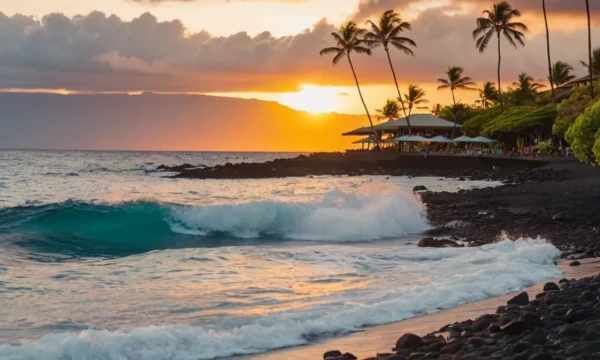
Kaloko-Honokōhau National Historical Park
The National Park Service protects this west-coast cultural landscape because it preserves places that sustained generations of Native Hawaiians.
Fishponds, heiau, settlement areas and the rugged Kona shoreline help explain how communities adapted to this dry volcanic environment.
It is a strong alternative for travelers who want Hawaiian history and landscape without making a long South Kona day.
THE BIG IDEA
Kona’s Dry Coast Was Not Empty — Hawaiian Communities Engineered Ways to Live and Thrive Here.That story makes the park much more meaningful than treating it as another scenic shoreline.
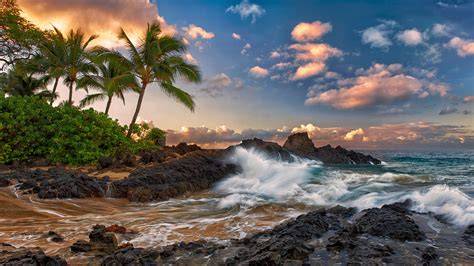
HISTORY + PROTECTED MARINE LANDSCAPE
Kealakekua Bay
GoHawaii places Kealakekua Bay about 12 miles south of Historic Kailua Village and identifies it as a Marine Life Conservation District with major historical significance.
The bay is associated with important encounters between Native Hawaiians and Europeans during the late 18th century.
Boat-based or marine experiences should use current reputable or licensed operators, and wildlife, sea conditions and visibility should never be guaranteed.
HAWAII BY CRUISE
Kona Shows Why Every Hawaiian Port Deserves Its Own Plan
Your supplied Hawaii video fits here because Kona is not simply “more Big Island.” It is the drier west-side counterpart to Hilo, with a completely different cultural and geographic personality.
A USEFUL GEOGRAPHY CORRECTION
Should Kona Be Your Main Gateway to Hawaiʻi Volcanoes National Park?
For a typical cruise call, Hilo is the more natural cruise gateway to Hawaiʻi Volcanoes National Park.
Historic Kailua Village, coffee country and Hawaiian cultural sites create a strong Kona day without crossing the island.
Hilo is positioned much more naturally for rainforest, waterfalls and Hawaiʻi Volcanoes National Park.
If the itinerary includes both, let Kona and Hilo show you two different sides of the island.
SAME ISLAND • DIFFERENT WORLDS
Kona or Hilo?
WHICH KONA DAY FITS YOU?
Five Port-Day Personalities
Stay close to the tender landing and enjoy history, waterfront and food.
Let Hawaiian monarchy and Aliʻi Drive anchor the day.
Head uphill toward Hōlualoa and Kona’s farm landscape.
Choose a deeper South Kona Hawaiian-history day.
See how Native Hawaiian communities lived along Kona’s dry coast.
ONE TENDER PORT • SEVERAL GOOD DAYS
Why Kona Works Well for Groups
Kona naturally supports different interests without forcing everyone onto one all-day excursion.
Some travelers can stay close to the tender landing.
Food and agriculture travelers can choose coffee country.
History-minded travelers can go deeper into South Kona.
Others can choose a coastal cultural-landscape day.
TRAVEL PONO
Kona’s Historic Places Deserve More Than a Photo Stop
GoHawaii encourages visitors to travel with a respectful relationship to place.
In Kona that means learning Hawaiian names, respecting heiau and royal sites, following park and marine protections and supporting the communities that keep these places alive.
A BETTER VISITOR
- Respect heiau, royal grounds and cultural-site boundaries
- Follow current National Park Service guidance
- Use reputable operators where transportation is needed
- Respect marine-life and coastal protections
- Support local farms, shops, artists and restaurants
A SMARTER KONA PORT DAY
How Should Cruise Travelers Plan It?
Allow for Tendering
Tender operations add a step between the ship and Kailua Pier.
Choose the West-Side Story
Historic Kailua, coffee country or cultural sites should anchor the day.
Verify Current Access
Historic sites, parks, tours and marine operations can change.
Protect the Tender Return
Follow the ship’s all-aboard and final-tender instructions carefully.
KEEP EXPLORING HAWAIʻI
Build the Bigger Hawaii Cruise Picture
Compare inter-island and West Coast cruise styles plus Oʻahu, Maui, Hawaiʻi Island and Kauaʻi.
HAWAIʻI ISLAND • EAST Hilo Cruise Guide →Rainforest, waterfalls, Hilo town and volcano-country planning.
OʻAHU Honolulu Cruise Guide →Waikīkī, Pearl Harbor, Hawaiian royal history and Oʻahu planning.
MAUI Kahului Cruise Guide →Haleakalā, ʻĪao Valley, Pāʻia, Upcountry and Hāna planning.
YOU BRING THE PEOPLE • WE HELP MAKE THE CRUISE WORK
How America’s Best Cruises Helps With a Kona Group
The organizer should get to enjoy Kona too — not become everyone’s reservation department.
Tell Us About the Group
Approximate size, home regions, travel dates, interests and realistic budget.
Compare Real Hawaii Sailings
Look at cruise style, Kona port time, other islands, cabins and current group arrangements.
Travelers Reserve
Individual guests remain responsible for their reservations and applicable payments.
We Help With Details
Support applicable deadlines, cabin questions, preparation and group coordination.
KEEP THE ORGANIZER OUT OF THE MONEY FLOW
Who Should Handle Guest Cruise Payments?
Travelers should make applicable cruise payments through the agency or booking channel, cruise line or approved financing provider appropriate to the reservation.
The group organizer should not need to collect or hold everybody’s vacation money.
A CLEANER GROUP STRUCTURE
- Each traveler controls their own reservation
- Guests receive their own confirmation
- Cabin choices can vary
- The organizer does not hold guest cruise funds
- Travel questions have a clear place to go
PLANNING HAWAIʻI WITH A GROUP?
Keep the Bigger Cruise Decisions Connected
Turn the Hawaii idea into a real sailing without becoming everyone’s travel agent.
See the Process → GROUP CRUISE HUB Group Cruise Questions & AnswersPricing, payments, cabins, dining, benefits and planning.
Browse the Library → VALUE How Do You Compare Cruise Value?Look beyond fare to airfare, port time, transportation and likely extras.
Compare Cruise Value → FREE GUIDES Cruise Planning E-BooksPacking, budgeting, embarkation and more detailed preparation.
Browse Free Guides →KONA CRUISE FAQ
Questions Cruise Travelers Ask About Kona
Kona becomes easier to plan once you understand the tender arrival and keep the day focused on west-side Hawaiʻi Island.
Tender operations, weather, historic-site access, park operations and marine conditions can change.
Is Kona worth visiting on a cruise?
Yes. Kona combines Historic Kailua Village, Hawaiian royal history, Kona coffee country, west-side cultural landscapes and a dramatic volcanic coastline.
Do cruise ships dock in Kona?
Typically, no. Norwegian currently identifies Kailua Pier as an offshore-anchor port, so cruise passengers generally come ashore by tender.
What is close to the Kona tender landing?
Historic Kailua Village and Aliʻi Drive begin close to Kailua Pier, giving cruise visitors convenient access to waterfront dining, shopping and important historic sites.
What is Huliheʻe Palace?
Huliheʻe Palace is a historic royal residence on Aliʻi Drive in Kailua-Kona. GoHawaii says it was built in 1838 and later served members of Hawaiian royalty.
Is Kona known for coffee?
Yes. GoHawaii says hundreds of coffee farms operate in Kona, and Hōlualoa sits in the heart of the Kona coffee-growing region.
What is Puʻuhonua o Hōnaunau?
Puʻuhonua o Hōnaunau National Historical Park preserves former royal grounds and a culturally significant place of refuge in South Kona.
What is Kaloko-Honokōhau National Historical Park?
Kaloko-Honokōhau is a National Historical Park on the west coast of Hawaiʻi Island that protects Native Hawaiian cultural landscapes including fishponds, heiau and settlement areas.
What is Kealakekua Bay?
Kealakekua Bay is a historically significant bay south of Kailua-Kona and a Marine Life Conservation District. Marine conditions and wildlife sightings vary.
Should Kona cruise passengers visit Hawaiʻi Volcanoes National Park?
It is possible only with substantial transportation, but Hilo is generally the more natural cruise gateway to Hawaiʻi Volcanoes National Park. Kona is better used for west-side history, coffee country and cultural sites.
What is the difference between Kona and Hilo?
Kona is on Hawaiʻi Island’s drier west side and is known for Historic Kailua Village, coffee country and coastal Hawaiian history. Hilo is on the wetter east side and is stronger for rainforest, waterfalls and volcano-country access.
Is Kona good for groups?
Yes. Some travelers can stay near Historic Kailua Village, others can choose coffee country or a Hawaiian cultural-site day, then everyone can reconnect onboard.
How far ahead should a group plan a Kona cruise?
Many groups benefit from roughly 8–14 months of planning time. Larger groups or trips with complicated airfare may benefit from 12–18 months or more.
A REAL PERSON BEHIND EVERY GROUP
Meet Captain Chuck.
Chuck Lund is the founder of America’s Best Cruises and a retired Captain who helps groups compare the actual Hawaii itinerary instead of treating every island and port as interchangeable.
Kona is a perfect example: the best day often comes from staying west-side focused and choosing between royal history, coffee country and deeper Hawaiian cultural sites.
ROYAL HISTORY • COFFEE COUNTRY • VOLCANIC COAST • WEST HAWAIʻI • YOUR FAVORITE PEOPLE
Kona Is the Hawaiʻi Island Port Where the West Side Tells Its Own Story
Tell us approximately how many people may travel, where they live, when they want to sail and which Hawaii experiences matter most. We can compare itineraries that include Kona before anybody commits.