GROUP CRUISING
Setting Sail Together: Why Group Cruises Create Better Shared Vacations
One Ship, One Shared Adventure and Enough Freedom for Everyone to Enjoy the Vacation Their Own Way.
Group travel sounds wonderful until one person becomes responsible for restaurants, transportation, activities, lodging and everyone else’s schedule. A cruise solves much of that problem by putting the essentials in one place.
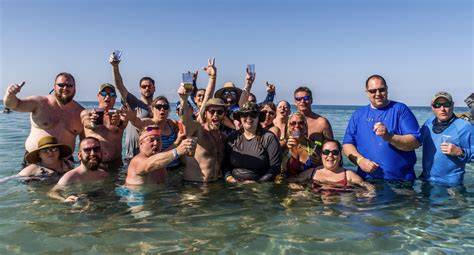
Families, friends, clubs, online communities, organizations and special-interest groups can travel together without having to spend every hour together. That balance is one of the biggest reasons cruising works so well for groups.
Why Are Cruises So Good for Groups?
Cruises give groups one shared home base while allowing individual travelers to choose their own dining, entertainment, port activities and downtime. The logistics are simpler than many land vacations and a few planned group moments can create strong shared memories without over-scheduling everyone.

MEET THE PERSON BEHIND THE ADVICE
Meet Captain Chuck
Chuck Lund is the founder of America’s Best Cruises and a retired Captain with over 35 years of experience taking care of his guests. He brings the same attention to planning, communication and detail to helping families, friends and communities turn the idea of traveling together into a vacation everyone can actually enjoy.
His goal is simple: create the moments that bring your group together without planning every minute of everyone’s day. America’s Best Cruises handles the cabins, deadlines, questions and group logistics so the organizer can stop being the unpaid travel agent and become part of the memories too.
“I treat every guest like family because that's what these trips are all about.”
WATCH
Setting Sail Together
Group cruising works because travelers can share the vacation without sharing every minute. This video looks at the connection, convenience and flexibility that make cruising such a natural fit for groups.
The goal is not to keep everyone together constantly — it is to make getting together effortless.
BENEFIT 1
Everybody Unpacks Once
On a traditional group trip, changing cities can mean repeated packing, hotel check-ins and transportation. A cruise lets the ship do the moving while the group keeps the same cabin throughout the voyage.
One Home Base
Everyone knows where they are sleeping each night.
Multiple Destinations
The itinerary changes while the group’s lodging stays the same.
Less Coordination
There are fewer daily hotel and transportation decisions to manage.
Easy Reconnection
Everyone returns to the same ship at the end of the day.
BENEFIT 2
Different Budgets Can Still Share the Same Vacation
Groups rarely have one budget. Cruise ships often offer several cabin categories, giving travelers the ability to choose the room that fits their priorities while remaining part of the same trip.
Common Cabin Choices
- Interior cabins
- Ocean-view cabins
- Balcony cabins
- Suites
- Accessible cabins where available
- Family-oriented layouts on some ships
BENEFIT 3
People Can Have Different Days
One traveler may want the pool. Another wants trivia. Another wants a quiet deck. Someone else may want a long port excursion. Nobody has to compromise every hour.
Stay Busy
Some travelers may choose recreation, fitness or active shore experiences.
Slow Down
Others may prefer the pool, spa or a quiet afternoon.
Explore Ashore
Port days can support history, food, scenery and local experiences.
Meet Later
Dinner or a show can bring everyone back together.
BENEFIT 4
Dining Becomes an Easy Group Anchor
One of the simplest ways to keep a group connected is to let everyone enjoy the day independently, then meet for a meal.
Optional Start
Early risers and late sleepers do not have to begin together.
Keep It Flexible
Port schedules and activities may naturally split the group.
Daily Reunion
A shared meal can become the easiest regular gathering.
Create a Highlight
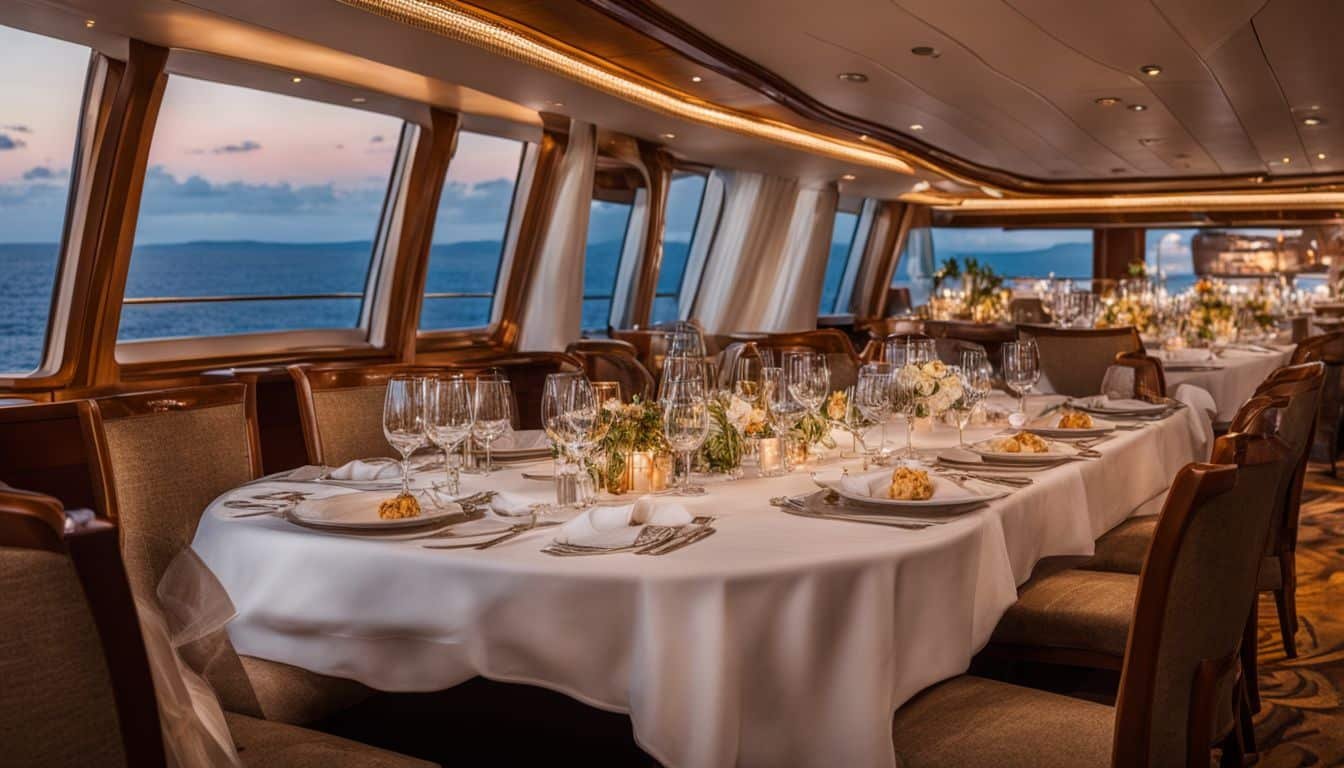
One family, reunion or farewell dinner can become a signature memory.
BENEFIT 5
Entertainment Is Already Built Into the Ship
Group leaders do not need to invent an evening program from scratch. Depending on the ship, travelers may already have access to theater shows, live music, trivia, deck events and other entertainment.
Pick One Show
Choose one evening the group may enjoy together.
Leave Other Nights Free
Travelers can discover entertainment on their own.
Use a Clear Meetup
Name an exact venue and deck when gathering the group.
Keep It Optional
Not everyone needs to attend every event.
BENEFIT 6
One Shared Port Day Can Be Enough
A group does not need to tour together in every destination. One well-chosen shared excursion can create the collective memory while leaving other ports flexible.
A Good Group Excursion Is
- Easy to explain
- Appropriate for most travelers
- Worth experiencing together
- Reasonable for the port schedule
- Simple to coordinate
- Optional for travelers who prefer something else
WHO IT WORKS FOR
Group Cruising Fits More Communities Than You Might Think
Reunions
Several generations can share one trip while keeping different daily rhythms.
Milestone Trips
Birthdays and other celebrations can become easy reasons to travel together.
Shared Interests
Hobby, sports and community groups already have a natural reason to gather.
Meet in Person
A cruise can turn digital connection into real-world friendship.
THE GROUP LEADER
You Should Not Have to Become an Unpaid Travel Agent
The organizer should help shape the experience, not spend the entire trip answering cabin questions, tracking payments or managing every traveler’s plans.
The Leader Should Focus On
- The purpose of the trip
- A few shared experiences
- Communicating the big picture
- Encouraging participation
- Creating excitement
- Enjoying the cruise too
THE SMART SCHEDULE
Keep the Group Calendar Surprisingly Light
More events do not automatically create more connection. Often the opposite is true.
Welcome Meetup
Give everyone a simple chance to connect after boarding.
One Shared Activity
Use a sea day for a group event without competing with a port.
Explore Freely
Let travelers choose the experience that suits them.
Farewell Gathering
Reconnect, compare memories and end the cruise together.
COMMUNICATION
One Information Hub Keeps Everybody Sane
Important details should not be scattered across dozens of messages. Keep the core cruise information in one place.
Make Them Obvious
Everyone should know the sailing and travel dates.
Share Deadlines
Deposit and final-payment information should be easy to find.
List Only the Important Ones
Keep the shared schedule simple.
Share Key Details
Excursion and meetup instructions should be clear.
CHOOSING THE SHIP
The Best Group Ship Is the One With Something for Everyone
Bigger is not automatically better. The right ship depends on your travelers.
Age-Appropriate Options
Look for activities and spaces that suit younger travelers.
Dining & Entertainment
Venue variety may matter more than family features.
Balance
Choose a ship with active and quiet spaces.
Cabin Choice
Different budgets should have practical options.
THE GROUP CRUISE TEST
Five Questions Before You Book
Does the Ship Fit?
Everyone should have something appealing onboard.
Does the Itinerary Fit?
The destinations should match the group’s interests and pace.
Are There Enough Price Points?
Cabin flexibility can make participation easier.
Are We Scheduling Too Much?
If every day is packed, simplify the plan.
Will the Organizer Enjoy It?
The answer absolutely should be yes.
THE SIMPLE RULE
Plan the Moments — Not Every Minute
A successful group cruise does not require everyone to eat, tour, relax and have fun on the same schedule.
Protect a few meaningful moments together and let the rest of the vacation breathe.
THE REAL REWARD
The Cruise Gives People Time to Become Closer
Shared vacations create stories. Someone discovers a favorite port. Someone tries something new. Someone tells a story at dinner that keeps everyone laughing.
The ship simply creates the place where all of those moments can happen together.
The best group cruise feels like traveling together without ever feeling stuck together.
READY TO TURN “WE SHOULD ALL GO TOGETHER” INTO A REAL TRIP?
Tell Captain Chuck About Your Group
Tell us who you want to bring together, roughly how many people may travel, where everyone is coming from and what you hope the cruise feels like. You do not need the ship, dates, destination or cabin plan figured out yet. We’ll help turn the idea into a practical group-cruise plan with clear choices, realistic costs and a booking path that lets the organizer enjoy bringing everyone together instead of managing every reservation personally.