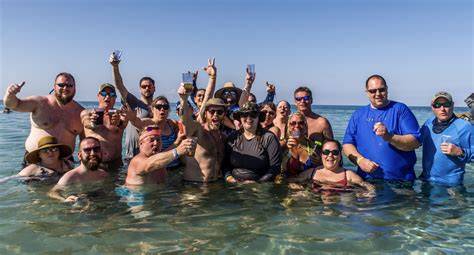
The final donation total matters, but it is not the whole story. Strong fundraiser cruise results mean your organization raises meaningful funds, supporters feel appreciated, and the person who organized the trip is not exhausted before the ship even leaves port. When guests return home talking about the cause, the laughs at dinner, and when they can travel together again, you have created more than a fundraiser. You have built momentum.
A cruise can be a memorable setting for a school booster club, nonprofit, faith community, alumni group, youth program, or local cause. Still, success does not happen simply because a group boards a beautiful ship. It comes from setting the right goals, choosing a cruise that fits your people, and making the financial plan easy to understand from the start.
Start With the Results You Actually Want
Before selecting an itinerary, decide what success means for your organization. Is the primary goal to raise unrestricted funds? Are you hoping to strengthen donor relationships, reward volunteers, attract new supporters, or bring a scattered community together? Often, the best answer is a combination of these goals.
A group focused on a capital campaign may measure success mainly by net dollars raised. A youth sports organization may care just as much about participation and parent engagement. A charitable foundation might use the sailing as a donor cultivation event, where a smaller group of highly engaged guests is more valuable than a large group of bargain-minded travelers.
Put a number beside each priority. For example, you may aim to raise $8,000 after expenses, fill 30 cabins, welcome 10 first-time donors, and collect 20 commitments for future giving. Clear targets give your planning team a way to make decisions without guessing.
The most useful question is not, “How much can we bring in?” It is, “What will make this trip worth the time and trust our supporters give us?” That shift keeps the fundraiser centered on people as well as revenue.
Measure Fundraiser Cruise Results Beyond Ticket Sales
Gross revenue can look exciting on paper, but net proceeds tell the real financial story. Account for every cost connected to the fundraiser: promotional materials, hosted events, speaker expenses, prizes, payment processing, transportation to the port if provided, and any onboard activities your organization pays for.
It also helps to separate cruise fare from fundraising activity. Depending on the group arrangement, the cruise itself may generate group benefits, amenities, or fundraising opportunities. Your organization may also raise funds through sponsorships, a pre-cruise reception, a raffle where permitted, a special event, direct donations, or a silent auction held under applicable rules. Each option has a different workload and profit potential.
Track four figures throughout the process:
- Total funds received from donations, sponsorships, and fundraising activities
- Total event-related expenses paid by the organization
- Net proceeds available for the cause
- Participation results, including cabins booked, repeat supporters, and new contacts
This simple scorecard prevents a common disappointment: celebrating a large sales number only to find that costs ate into the funds intended for the mission. It also gives you a clear, honest report to share with supporters afterward.
Consider the value guests receive
Not every successful fundraiser has the highest possible margin. If the trip feels overly expensive or guests are constantly being asked to spend more, participation can suffer. On the other hand, pricing too low may leave your organization carrying expenses it did not expect.
The right balance depends on your audience. A donor-focused sailing may support premium events and sponsorship packages. A family-friendly school or team trip may need flexible cabin options, manageable deposits, and fundraising ideas that do not put pressure on parents. The goal is an experience people feel good about purchasing and proud to support.
Build the Cruise Around Your Supporters
A seven-night sailing may sound ideal, but it is not automatically the best choice. A shorter cruise can be easier for working families, first-time cruisers, and guests on a tighter budget. A longer itinerary may give a mature donor group more time to connect and participate in planned events.
Port location matters, too. A conveniently located drive-to port can improve attendance and reduce airfare stress. The itinerary should match the personality of your group. Some groups want relaxing sea days for onboard programming and casual time together. Others want ports packed with excursions and adventure. Neither approach is wrong, but the schedule should support your fundraising plan rather than compete with it.
Cabin choices deserve equal attention. Your supporters will have different budgets, mobility needs, and travel styles. A good group plan offers options while still making booking simple. It should also make clear what is included, what costs extra, and when payments are due. Surprises are bad for confidence and even worse for group morale.
This is where a hands-on group cruise specialist can make a meaningful difference. With more than 30 years of group planning experience, America’s Best Cruises helps organizers sort through cabin arrangements, dining, itinerary fit, and group logistics so they can spend more energy on their cause and less time chasing details.
Make Fundraising Feel Like Part of the Celebration
Guests should never feel as if they booked a vacation only to attend a series of donation requests. The fundraising moments work best when they are tied naturally to the reason everyone came together.
A welcome gathering can introduce the mission and recognize sponsors. A short presentation during a private group event can feature a beneficiary, coach, volunteer, or community member whose story makes the cause real. A themed dinner, friendly competition, or recognition ceremony can give guests a reason to participate without making every hour feel scheduled.
Keep the message specific. “Help our organization” is less compelling than “Your support will provide uniforms for 40 student athletes” or “This trip helps fund two weeks of meals for local seniors.” People are more likely to give when they understand the direct outcome of their generosity.
Be thoughtful with timing. The first day is often best for welcoming guests and helping them settle in. The middle of the cruise is usually the sweet spot for a key event, when people are relaxed and have had time to reconnect. The final evening can focus on gratitude, results to date, and what happens next.
Communication Is Part of the Fundraising Plan
Many group fundraisers lose energy because communication becomes complicated. Guests need simple answers about pricing, deposits, travel documents, dining, packing, insurance options, and the fundraiser itself. If they have to search through old emails for basic information, they may delay booking or drop out altogether.
Create a clear message early: what the cruise supports, who is invited, what the travel dates are, and what makes this trip special. Then keep communication steady and friendly. Remind guests about payment dates, celebrate booking milestones, and share a few reasons to look forward to the sailing.
Avoid overpromising. Do not imply that every dollar of a traveler’s cruise fare is a charitable donation if it is not. Be precise about tax-deductible gifts, raffles, and any fundraising claims. Your organization should confirm its own compliance requirements and communicate the details in plain language. Transparency protects trust, which is one of the most valuable results a fundraiser can produce.
Follow Up While the Memories Are Fresh
The cruise may end at the pier, but the relationship-building opportunity does not. Within a few days, thank guests, sponsors, volunteers, and anyone who helped organize the trip. Share the net amount raised when it is available, along with a specific explanation of how the funds will be used.
Photos, guest comments, and a few highlights from the sailing can make the impact feel tangible. Ask travelers what they enjoyed and what they would change next time. Their answers can improve a future fundraiser, but they also reveal potential leaders, donors, and advocates who want to stay involved.
A successful cruise is often the beginning of the next one. If guests felt welcomed, informed, and connected to a mission bigger than the vacation itself, they will remember the experience long after they unpack. Give them a reason to carry that good feeling forward, and your cause can keep benefiting long after the ship is back in port.