GROUP CRUISE PLANNING
Cruise Room Blocks Explained
Hold the Right Cabins, Understand the Deadlines and Give Your Group a Clear Way to Book.
A cruise room block is a collection of staterooms arranged for a group on a particular ship and sailing. It can make group booking easier, but it is not an unlimited promise that every cabin or price will remain available forever.
The value comes from planning the right mix of cabins, explaining the booking process clearly and watching every important deadline.
What Is a Cruise Room Block?
A cruise room block is group inventory arranged in selected cabin categories for a specific sailing. Depending on the cruise line and agreement, cabins may be held at group pricing for a limited time, subject to deposit requirements, availability and release dates. Unbooked space may return to general inventory, and cabins outside the block may have different prices or terms.

MEET THE PERSON BEHIND THE ADVICE
Meet Captain Chuck
Chuck Lund is the founder of America’s Best Cruises and a retired Captain with over 35 years of experience taking care of his guests. He brings the same attention to planning, communication and detail to managing your group cruise.
His goal is simple: build the right room block, explain the pricing and deadlines clearly and guide each traveler through their own reservation, so the organizer can bring everyone together without tracking inventory, chasing payments or becoming the group’s unpaid travel agent.
“I treat every guest like family because that's what these trips are all about.”
WATCH
Boarding Day Tips for a Smooth Start
Good group planning continues after the cabins are booked. Clear arrival instructions and realistic boarding-day expectations help everyone begin the cruise with confidence.
The best room block creates an organized path from the first reservation all the way to embarkation.
THE BASIC IDEA
A Room Block Organizes Inventory for Your Group
Instead of asking every traveler to search independently, a room block creates a defined group arrangement with selected cabin categories and booking instructions.
One Sailing
The block applies to a particular ship, departure date and itinerary.
Selected Categories
Inventory may include interior, ocean-view, balcony or suite categories.
Group Terms
Pricing, deposits, amenities and deadlines are governed by the agreement.
Booking Path
Travelers reserve through the approved process so bookings attach to the group.
IMPORTANT DISTINCTION
“Held” Does Not Always Mean Guaranteed Forever
A cruise line may allow selected inventory to remain available to a group until a stated date, but the exact protection depends on the agreement. Some space requires deposits, some remains subject to recall and some returns to public inventory if it is not booked in time.
That is why a group organizer should never describe cabins as permanently reserved unless the written terms truly say so.
Confirm in Writing
- Which categories are included
- How many cabins are available
- Whether deposits are required
- When unbooked cabins are released
- Whether the cruise line can recall space
- What happens after the block fills
PRICING
Group Pricing and Public Pricing Can Move Differently
A room block can provide useful pricing structure, but it does not mean the group rate will always be lower than every public promotion that appears later.
A Defined Starting Point
The agreement may establish pricing for selected inventory and occupancy.
Offers Can Change
Public fares and promotions may rise, fall or include different benefits.
Compare Like With Like
Category, location, occupancy and inclusions affect the real comparison.
Know What Applies
Price adjustments and promotion rules vary by cruise line and timing.
CABIN MIX
Block the Categories Your Travelers Will Actually Book
A useful room block reflects the group’s budget and preferences rather than loading every possible cabin type into the agreement.
Value-Focused
Useful for travelers who want the lowest practical entry point.
Natural Light
A middle option for guests who want a window without a balcony.
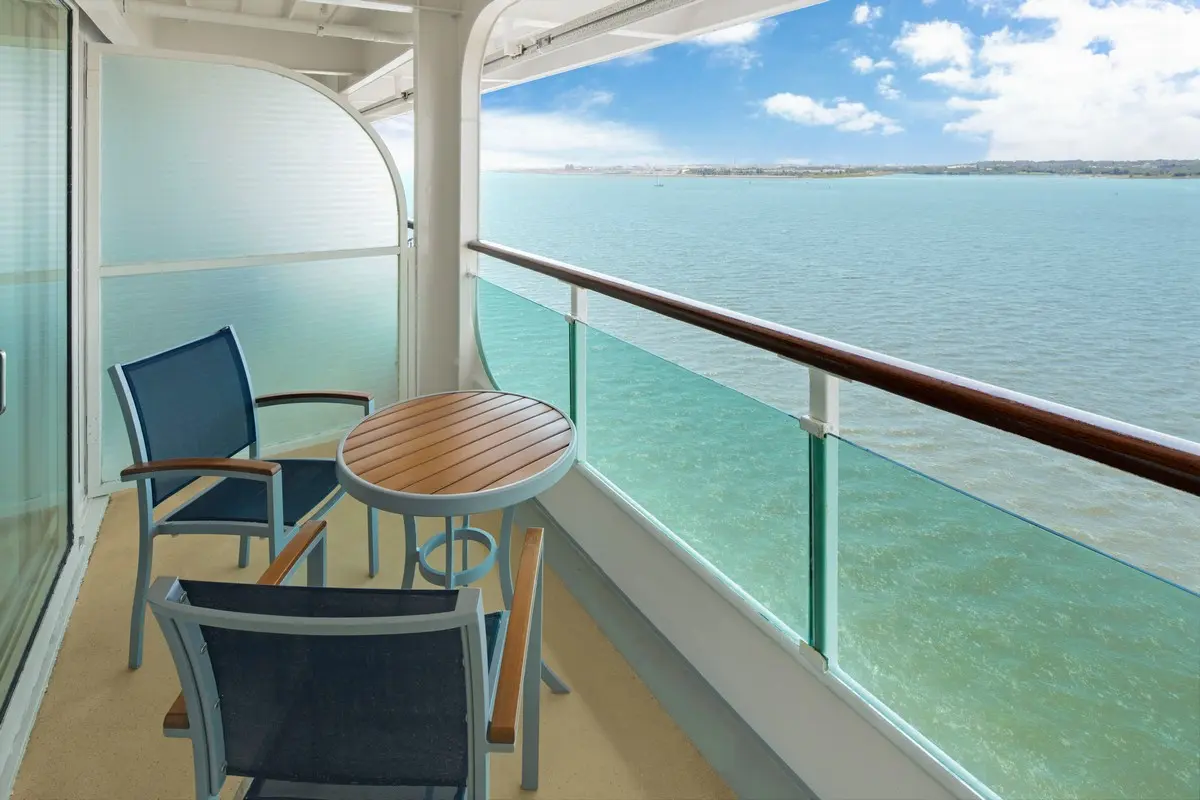
Private Outdoor Space
Often popular for scenic itineraries and milestone celebrations.
Limited Inventory
May require separate handling or different terms depending on the sailing.
Do not overpromise locations. Nearby, connecting, accessible and specialty cabins are limited. Confirm every request before telling a traveler it is secured.
THE TIMELINE
Every Room Block Has Dates That Matter
Missing a deadline can change the available inventory, price, amenities or cancellation exposure.
Block Creation
The sailing, cabin mix and initial group terms are established.
Guest Deposits
Travelers reserve cabins under the applicable deposit rules.
Review Dates
Unused space may need to be adjusted or released before a deadline.
Final Payment
Each confirmed booking must meet the stated payment deadline.
RELEASE DATES
Unused Cabins Do Not Stay in the Block Indefinitely
A release date is the point when unbooked inventory may return to the cruise line’s general supply. Releasing unused cabins can protect the group from holding more space than it needs and gives the cruise line a chance to sell those rooms elsewhere.
A release date does not cancel cabins that guests have properly booked and deposited, but the exact effect always depends on the written agreement.
Before the Release Date
- Count confirmed cabins
- Review unbooked inventory
- Check likely late bookers
- Confirm deposit status
- Adjust the cabin mix if allowed
- Document the next deadlines
WHEN THE BLOCK FILLS
Additional Cabins May Be Available, but the Terms Can Change
A full room block is good news, but the next cabin may not automatically carry the same price, location or benefits.
Request More Space
Ask whether the cruise line can add inventory to the group.
Check Current Pricing
New cabins may be offered at the prevailing rate.
Confirm Benefits
Verify whether added bookings qualify for the same group amenities.
Explain Clearly
Tell late bookers when availability or terms differ.
DEPOSITS AND CANCELLATIONS
Separate the Group Agreement From Each Guest’s Reservation
The room block governs the group inventory, while each traveler’s booking has its own names, payments and cancellation exposure. A flexible group deposit arrangement does not automatically mean every individual booking can be changed without cost.
Travel protection, if selected, is also separate from the room block and subject to its own coverage terms.
Every Traveler Should Know
- Deposit amount and due date
- Whether the deposit is refundable
- Final-payment date
- Cancellation schedule
- Name-change rules
- Travel-protection options and terms
GROUP BENEFITS
Amenities Are Earned Under Specific Rules
Depending on the cruise line and agreement, booked cabins may help the group earn amenities, event support, onboard credit or complimentary-space value. These benefits are not identical on every sailing.
Count the Right Bookings
Not every fare or cabin may count in the same way.
Benefits May Scale
The group may need a stated number of qualifying cabins or guests.
Timing Matters
Some benefits are confirmed only after final payment or sailing.
Read the Formula
Complimentary space may be calculated from eligible fare components rather than the full cabin total.
THE ORGANIZER’S ROLE
Lead the Group Without Becoming the Payment Desk
The organizer should inspire the trip, share accurate information and help create connection. A group cruise specialist can manage the technical booking details and communicate directly with each cabin.
Build Enthusiasm
Share the purpose, dates and important group moments.
Make Personal Choices
Select the cabin, provide names and meet payment deadlines.
Manage the Details
Track inventory, bookings, deadlines and cruise-line communication.
Hold the Reservation
Issue confirmations and receive payments under the booking terms.
THE ROOM-BLOCK TEST
Five Questions Before You Invite the Group
Inventory
Which cabin categories are actually included?
Pricing
What is included in the quoted amount?
Deposits
What must each traveler pay and when?
Deadlines
When can unused space be released?
Benefits
Which bookings qualify toward group value?
COMMON MISTAKES
What a Room Block Does Not Mean
Inventory Can Run Out
The block contains only the cabins available under its terms.
Deadlines Still Apply
Unused inventory may be released or recalled.
Cabins Can Differ
Category, occupancy and booking date can change the price.
Track the Details
Someone must monitor bookings, payments and deadlines.
THE REAL ADVANTAGE
Give the Group Structure Without Giving the Organizer More Work
At America’s Best Cruises, Captain Chuck helps select the sailing, establish the right cabin mix, explain the terms, monitor the room block and guide each traveler through booking.
Payments go directly to the cruise line, and every guest receives the information needed to make a confident decision.
A good room block does more than hold cabins. It gives the entire group a clear path from “We should do this” to “We are booked.”
THINKING YOUR GROUP MAY NEED A ROOM BLOCK?
Tell Captain Chuck About Your Group
Tell us roughly how many cabins you may need, the kind of travelers joining you and when you hope to sail. You do not need every name, cabin type or commitment figured out yet. We’ll help explain whether a room block makes sense, which cabin categories to protect and which deadlines matter so the organizer is not trying to manage inventory alone.