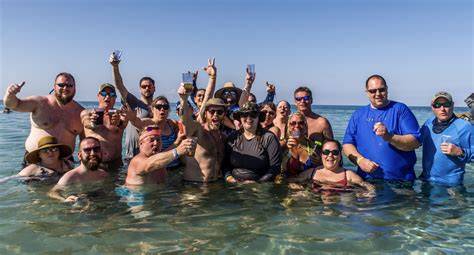
The best reunion photo is the one where everyone is in it – not the one where a loved one had to stay behind because a hallway, tender boat, or shore tour was not a good fit. This cruise mobility assistance guide gives group leaders a practical way to plan for travelers who use wheelchairs, scooters, walkers, canes, or simply need more time and support getting around.
A cruise can be a wonderful choice for multigenerational families and friend groups because everyone shares one floating home base. Still, accessibility is not something to leave to a note at the end of a reservation. The right cabin, itinerary, equipment plan, and shore-day choices can make the difference between a trip that feels stressful and one where every guest can focus on the fun.
Start with the traveler, not the ship
Mobility needs are personal, and two travelers who both use a scooter may need very different accommodations. Before choosing a sailing, have a kind, private conversation about what will make the trip comfortable. Ask about walking distance, stamina, balance, bathroom needs, whether the traveler can transfer independently, and what type of equipment they use at home.
It also helps to discuss the moments that tend to be hardest: long airport corridors, steps into a tender boat, standing in a buffet line, uneven streets in a historic port, or keeping up with a large family group. This is not about limiting anyone’s vacation. It is about building a plan around how they want to enjoy it.
For a group organizer, these conversations should happen early. Accessible staterooms are limited and can sell well before standard cabins. Waiting until final payment to address mobility needs can mean fewer choices, higher costs, or a ship and itinerary that no longer fit the group.
Choose an itinerary with mobility in mind
A beautiful port is not automatically an easy port. Some destinations have modern piers and level walkways. Others require guests to board smaller tender boats from the ship, often with steps, movement from the water, and operational limits based on sea conditions. A tender port can be challenging for guests using wheelchairs or scooters, especially when the water is rough.
Look closely at how the ship docks in each port, not just where it sails. A cruise with mostly docked ports may offer a more relaxed experience than an itinerary with several tender stops. Also consider the distance between the pier and town, terrain, weather, and the availability of accessible transportation.
That does not mean every stop must be a full-day outing. Some travelers may prefer a scenic harbor day, a relaxed lunch near the port, or enjoying the ship while others explore. The goal is to make those choices intentional, not the result of an unpleasant surprise.
Shore excursions need a closer look
Cruise-line excursions may include activity-level descriptions, but “easy” does not always mean wheelchair-accessible. Read beyond the label. Check for steps, vehicle lifts, paved surfaces, transfer requirements, restroom access, walking distance, and whether a companion must assist.
Private tours can sometimes offer more flexibility, but they also require extra homework. Confirm accessibility directly with the operator and explain the equipment dimensions, weight, and any transfer needs. Never assume a standard van can carry a scooter or that a motorcoach has a working lift.
If your group plans to split up in port, set a simple meeting point and return time. That gives the mobility traveler freedom without making them feel like the entire group has to move at one pace.
Reserve the right stateroom early
An accessible stateroom is more than a wider door. Depending on the ship, it may provide extra turning space, a roll-in shower, grab bars, lower fixtures, and an accessible route to key public areas. Features vary by cruise line and ship, so review the cabin details instead of assuming every accessible room is identical.
For groups, cabin location matters too. A centrally located room can reduce long walks to dining, entertainment, elevators, and the gangway. A cabin near the elevator may be convenient, although some travelers prefer a little distance from elevator noise. This is where personal preferences and mobility needs should be considered together.
There can be trade-offs. The accessible cabin may not be beside the rest of the group, or it may have a different bed configuration than a standard room. Prioritize safe, workable accommodations first, then build the group cabin plan around them. A skilled group cruise planner can help organize nearby cabins while protecting the accessible traveler’s needs.
Arrange mobility equipment before departure
Many travelers bring their own wheelchair, walker, or scooter. If equipment must be rented, arrange it well before sailing through a reputable cruise equipment provider or the cruise line’s approved process. Confirm delivery and pickup details, battery requirements, charging instructions, and whether the device will fit through the stateroom door.
Do not count on the ship to supply a wheelchair for personal, all-day use. Ships may have wheelchairs for emergencies or boarding assistance, but availability and policies vary. A traveler who needs mobility equipment throughout the cruise should have dedicated equipment arranged for them.
Measure carefully. Scooters that seem compact can be too wide for certain cabin doors or too large to store safely. Hallways must remain clear, and equipment should never be parked where it blocks an exit. Bring chargers, a rain cover for shore days, any needed medication, and a backup plan if equipment is damaged or loses power.
For groups flying to the embarkation port, plan extra time at the airport and consider arriving at least a day before the cruise. A delayed flight is frustrating for everyone, but it is especially difficult when a traveler also has mobility equipment, medication, or arranged transfers to coordinate.
Tell the cruise line what support is needed
Most cruise lines have an accessibility or special-needs process. Complete required forms by the stated deadline and describe needs accurately. This may include accessible seating in the theater, a shower chair, dietary needs connected to a medical condition, refrigerated medication, oxygen arrangements, or boarding assistance.
Submitting a request is not a guarantee that every service is available, so ask for written confirmation where possible. Cruise lines also have safety policies that can affect travelers who use powered equipment or need assistance in an emergency. It is much better to understand those policies before booking than at the pier.
At embarkation, let the crew know about any important assistance needs, then give yourselves time to get oriented. Locate elevators, accessible restrooms, dining rooms, the medical center, and your muster station. On a large ship, that first hour of exploration can make the whole week feel easier.
Keep the group together without making anyone feel managed
The kindest group plan has flexibility built in. Instead of announcing that everyone must walk together from breakfast to the show, offer a meeting time and place. Choose restaurants with reservations when possible, arrive early for popular entertainment, and leave room for rest breaks.
Four small habits can make a big difference for the whole group:
- Plan one major activity at a time rather than stacking a busy shore day with a late-night show.
- Share the daily schedule in a group text or printed copy so no one has to chase down details.
- Assign one or two willing companions for specific outings, without assuming one person will provide care all week.
- Celebrate independent choices, whether that means joining the beach day or relaxing on a quiet deck.
If a traveler requires personal care, lifting assistance, or help with daily living tasks, be realistic about what cruise staff can and cannot provide. Crew members are caring and helpful, but they are not personal care attendants. Families may need to bring a companion or arrange professional support based on the traveler’s needs.
A calmer way to plan your cruise mobility assistance
Group cruises already have plenty of moving pieces: cabin assignments, payments, dining times, birthdays, matching shirts, and the question of who wants the late dinner seating. Mobility planning deserves the same early attention as any other must-have detail.
At America’s Best Cruises, Captain Chuck and the team understand that the organizer should get to enjoy the laughter, sunsets, and family stories too. Before anyone puts down a deposit, gather the mobility details, identify the non-negotiables, and ask the right questions about cabins, equipment, and ports. That preparation creates room for the moments that matter most: watching every member of your group roll, walk, and smile their way into a vacation they can truly share.