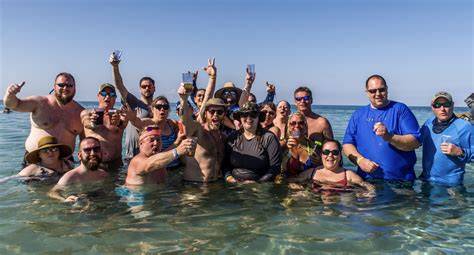
The vacation feels real the moment your group sees the ship in port. It can also be the moment when one missing passport, a late arrival, or a dozen cabin questions lands on the trip organizer’s shoulders. This cruise embarkation day guide helps you trade that scramble for a calmer start, so the first day is about photos, lunch, and the anticipation of what is ahead.
For group cruises, the goal is not to keep everyone side by side every minute. It is to give each traveler a clear plan, a little breathing room, and one reliable point of contact when questions come up. A thoughtful embarkation day plan does exactly that.
Before You Leave Home, Make the Details Easy to Find
Embarkation day starts several days before your cruise. Every traveler should complete online check-in as soon as the cruise line allows it, select an arrival time if required, and save their boarding documents where they can access them without hunting through email.
Ask everyone in the group to carry their own required identification, boarding pass, medication, and travel insurance information. Do not assume one spouse, parent, or group leader will hold documents for everyone. That arrangement may feel convenient until bags are separated at the terminal or a family member joins a different check-in line.
A simple group message sent two or three days before departure can prevent most confusion. Include the ship name, terminal address, recommended arrival window, parking or ride-share instructions, a weather reminder, and the first onboard meetup location. Be specific. “Meet near the pool” is hard to follow on a large ship. “Meet at 2:30 p.m. by the aft pool bar on Deck 12” gives people a real target.
It is also wise to set expectations about timing. Cruise lines assign arrival windows to manage terminal traffic, and arriving dramatically early does not always mean boarding earlier. Your group should aim to arrive within its assigned window, allowing extra time for traffic, parking, luggage drop-off, and security.
Pack a Carry-On That Covers the First Few Hours
Checked luggage may not reach cabins until late afternoon or early evening. That is normal, but it means each guest needs a carry-on bag that makes the first hours onboard comfortable.
Bring travel documents, wallets, phones, chargers, prescriptions, glasses, sunscreen, a swimsuit, and anything needed for young children. A light change of clothes can also be useful, especially for travelers coming from a cold airport to a warm sailing port. If someone needs formalwear, medical equipment, or a special outfit that cannot be replaced easily, it should not go into checked luggage.
Remind your group that cruise lines have rules about what can be brought aboard. Alcohol limits, beverage policies, irons, power strips, and large coolers are common trouble spots. Checking those rules in advance is far easier than having an item delayed or removed at security.
Arrive Ready, Not Rushed
The best arrival plan depends on your port and where your travelers are coming from. Local guests may drive in that morning. Travelers flying to the port should strongly consider arriving the day before, particularly in winter or during periods when flights are frequently delayed. Saving one hotel night can look appealing, but a missed ship is an expensive way to learn that a same-day flight carried too much risk.
Once at the terminal, drop checked bags with the porters, keeping valuables and documents with you. Make sure luggage tags are attached correctly before leaving home, and keep any special luggage needs in mind. Families traveling with strollers or groups bringing event materials may need a little extra patience at this stage.
Security and check-in move at different speeds from one sailing to the next. Encourage your travelers to stay relaxed, follow staff instructions, and avoid splitting up until everyone has cleared the terminal. A group does not need to stand in one giant line, but it helps to agree that nobody heads onboard alone if others are still waiting nearby.
Cruise Embarkation Day Guide: Your First Hour Onboard
The ship may feel wonderfully busy when boarding begins. Crew members are welcoming guests, restaurants are opening, cabins may still be getting ready, and everyone is eager to explore. This is where a loose plan gives your group an advantage.
First, confirm everyone knows the agreed meetup time and location. Then give people permission to enjoy the ship their own way. Some guests will want to head straight for lunch. Others will want to find their cabin deck, connect to Wi-Fi, or take photos before public spaces fill up. Trying to manage every movement usually creates stress for the organizer and frustration for everyone else.
A good first meetup is usually after the initial rush, when most guests have eaten and cabins are becoming available. Keep it brief. Welcome everyone, share the schedule for the first evening, confirm any group dining arrangements, and remind travelers how to reach the group leader if plans change.
If your party has reserved group dining, a private event, accessible cabins, connected staterooms, or celebration details, verify those arrangements early with the appropriate onboard team. Most details will be in place, but embarkation day is the right time to raise a concern, not the night before a special dinner.
Take Care of the Must-Do Items First
There are a few things that should happen before the fun fully takes over. Everyone needs to complete the mandatory safety drill, which may involve a check-in at their assigned muster station and a video or announcement through the cruise line’s app. Treat this seriously and encourage your group to do it promptly. It is one task nobody wants hanging over the first afternoon.
Travelers should also put phones into airplane mode before the ship leaves port if they are not using an international cellular plan. They can connect through the ship’s Wi-Fi package when needed. International roaming charges can become an unpleasant surprise, especially for guests who assume their phone will work at sea the same way it does at home.
If guests have specialty dining reservations, spa appointments, excursions, or activity bookings, they should review them in the cruise line app or onboard account. Popular offerings can fill quickly, but there is a trade-off: do not turn the first afternoon into a race from desk to desk. Handle the items that matter most to your group, then let the vacation begin.
Give the Organizer a Backup Plan
Every group benefits from one or two designated helpers. They do not need to run the trip. They can simply answer basic questions, help a grandparent find a meeting point, or make sure the birthday decorations arrive where they belong. That support keeps the organizer from becoming the unpaid help desk.
Share one dependable communication method before sailing. Depending on the cruise line, that may be the ship’s app, a group chat that works on Wi-Fi, or a standing daily meetup time. Wi-Fi can be slow or unavailable in certain areas, so do not rely only on messages. A printed mini-itinerary or a photo of the schedule saved to each phone gives everyone a fallback.
For large family reunions, sports teams, and organization cruises, it helps to separate official group events from optional fun. Tell guests what they truly need to attend and what is simply an invitation. People appreciate structure, but they also want room for a quiet drink, a nap, or an unexpected afternoon by the pool.
Start With a Moment Worth Remembering
Before sailaway, pause for a group photo. It does not need perfect lighting or matching shirts. Gather whoever is nearby, capture the excitement, and let the ship become the backdrop to the story you came to make together.
At America’s Best Cruises, Captain Chuck and the team help group leaders think through details like arrival plans, cabin coordination, onboard events, and the little questions that can otherwise pile up before boarding. With more than 30 years of cruise experience, the focus is simple: you should get to enjoy the trip you organized, too.
When the horn sounds and the shoreline starts to fade, resist the urge to keep checking every detail. Your group is aboard. The planning did its job. Now find your people, raise a glass, and let the shared adventure take over.