GROUP PORT-DAY PLANNING
How to Coordinate Shore Excursions for Groups
Offer Great Choices, Protect the Schedule and Let the Port Day Belong to the Travelers.
A port day can become the story everyone repeats for years or the moment the group chat fills with questions about tickets and meeting locations.
The goal is not to schedule every minute. It is to give travelers clear choices, respect real needs and make returning to the ship comfortable rather than stressful.
How Do You Coordinate Shore Excursions for Groups?
Start with the ship’s port schedule and realistic time ashore. Ask about interests, mobility, health considerations and budget, then offer two or three clear options rather than one mandatory outing. Compare cruise-line and independent tours carefully, state physical requirements and inclusions plainly, build a generous return buffer and put meeting, payment and cancellation details in writing.

MEET THE PERSON BEHIND THE ADVICE
Meet Captain Chuck
Chuck Lund is the founder of America’s Best Cruises and a retired Captain with over 35 years of experience taking care of his guests. He brings the same attention to planning, communication and detail to your group cruise.
His goal is simple: help your travelers enjoy memorable port days with choices that fit different interests, abilities and budgets while keeping timing, transportation and important details organized so the group leader can enjoy the day too.
“I treat every guest like family because that's what these trips are all about.”
WATCH
Your Guide to Shore Excursions
A well-chosen excursion can turn a port call into a shared memory while still respecting each traveler’s pace and interests.
The best port day has enough structure to feel easy and enough freedom to feel like a vacation.
PORT BEFORE ACTIVITY
Understand the Day Before Choosing the Tour
A short port call needs a different plan from a full day ashore. Start with the schedule and geography.
Arrival
Estimate when travelers can realistically leave the ship.
Distance
Know how far attractions are from the pier.
Transportation
Account for traffic, transfers and pickup procedures.
All-Aboard
Plan to return well before the ship’s stated deadline.
KNOW THE TRAVELERS
Build Choices Around Real Interests and Needs
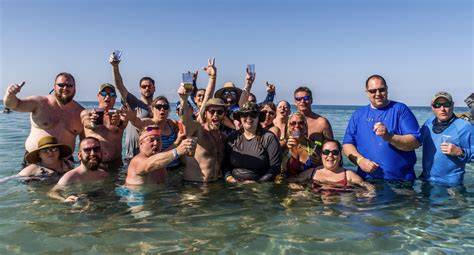
A multigenerational family may need shade, easy walking, restrooms and flexible activity levels. Active friends may prefer kayaking, hiking or a food tour. A larger celebration may want a private beach area with space to gather.
One excursion rarely fits everyone and that is perfectly fine.
Ask About
- Adventure, culture, beach or wildlife
- Walking and mobility needs
- Comfort with water activities
- Heat, sun and long rides
- Dietary requirements
- Comfortable spending range
KEEP IT MANAGEABLE
Offer Two or Three Excursion Paths
A small set of clear options protects different budgets and energy levels without overwhelming the group.
Adventure Option
Choose a higher-energy outing with clearly stated requirements.
Easy Sightseeing
Offer a comfortable tour, beach day or scenic experience.
Free Time
Let experienced travelers explore responsibly on their own.
One Shared Moment
Meet later for a photo, meal or sail-away gathering.
ACTIVITY LEVELS
Describe the Experience as It Will Feel
“Moderate walking” may include uneven ground, steps, heat or long periods of standing. A beach day may require boarding a smaller vessel or walking across sand.
Plain details help travelers choose a comfortable alternative without feeling pressured.
Explain Clearly
- Walking distance and surfaces
- Steps and boarding procedures
- Time standing or seated
- Shade and restroom availability
- Age, height or ability requirements
- Equipment and clothing needed
BOOKING CHOICE
Cruise-Line or Independent Excursion?
Both can be appropriate. Compare responsibility, timing, customization and written protections.
Straightforward Coordination
Booking, transportation and ship communication are generally connected through the cruise line. Confirm the exact terms and delay procedures.
Specialized or Private Options
A reputable operator may offer smaller groups, customization or different pricing, but the traveler assumes more responsibility for returning on time.
INDEPENDENT PROVIDERS
Confirm Every Operational Detail
Do not assume the advertised price includes transportation, equipment, entrance fees, food, chairs or gratuities.
Use a well-reviewed provider with clear communication and a schedule that leaves generous time to return.
Verify in Writing
- Exact pickup location
- Departure and return times
- Provider contact information
- Everything included in the price
- Accessibility and physical requirements
- Cancellation and weather policy
PROTECT THE SCHEDULE
Build a Generous Return-to-Ship Buffer
Traffic, weather, crowds, equipment problems and a slow-moving group can all change the timeline.
Start Early
Allow time to leave the ship and find transportation.
Add Margin
Include restrooms, headcounts and unexpected delays.
Know Ship Time
Confirm whether local time differs from the ship’s clock.
Return Early
Plan to reach the ship well before all-aboard time.
ONE SHARED MESSAGE
Put the Essential Port-Day Details in One Place
Travelers should not need to search through a long group-chat thread on the pier. Send one clear update and ask everyone to save it.
Include
- Ship time and local time
- Meeting time
- Exact meeting location
- Tickets or confirmation requirements
- Operator contact details
- All-aboard and planned return times
PRICE AND VALUE
Know Exactly What Travelers Are Buying
A low headline price may not include the services the group expects.
Count Every Guest
Confirm adult and child pricing and minimum ages.
Know the Capacity
Check the total price and maximum passenger count.
Protect the Rate
Understand what happens if participation drops.
Price the Complete Day
Add transportation, fees, meals and equipment where needed.
PAYMENTS AND CANCELLATIONS
Keep Money From Becoming Awkward
Whenever possible, let travelers pay individually through the approved booking process. If one person must collect funds, set a firm deadline before making a nonrefundable commitment.
Confirm what happens if a guest cancels, the ship changes itinerary or weather prevents the activity.
Put in Writing
- Complete price
- Payment deadline
- What is included
- What travelers must bring
- Refund and cancellation terms
- Itinerary-change and weather policy
SHARE THE RESPONSIBILITY
Give Every Excursion a Point Person
One designated contact can confirm the meeting location, tickets and provider communication without becoming responsible for every traveler’s choices.
Tickets
Know how confirmations will be distributed or displayed.
Headcount
Confirm participation the evening before the port.
Meeting Point
Verify the exact location and departure time.
Provider Contact
Designate who communicates if a question arises.
PLAN B
Leave Room for the Unexpected
Weather, port changes or a traveler’s energy can alter the day. A flexible plan keeps those changes from becoming a crisis.
Keep It Simple
Identify an easy alternative close to port.
Explore Locally
Know where guests can shop or sightsee comfortably.
Staying Onboard Is Allowed
Let travelers rest without feeling they failed the group.
Keep One Anchor
Choose a later time for everyone to meet again.
THE EXCURSION TEST
Five Questions Before Anyone Books
Time
Does the schedule include a safe buffer?
Ability
Are requirements described honestly?
Price
Is the complete cost understood?
Terms
What happens after a change?
Contact
Does everyone know where to meet?
THE REAL REWARD
Give the Group Direction Without Taking Away Its Freedom
At America’s Best Cruises, Captain Chuck helps organizers think through timing, choices and communication before final boarding so one person is not left piecing together every port day.
Set the details early, share them clearly and let travelers choose the experience that feels right.
The best shore-excursion plan makes the day easier without making every traveler do the same thing.
TRYING TO PLAN PORT DAYS FOR PEOPLE WITH DIFFERENT INTERESTS AND ENERGY LEVELS?
Tell Captain Chuck About Your Group
Tell us roughly how many people may travel, the age and mobility mix and what kinds of shore experiences appeal to the group. You do not need every excursion chosen in advance. We’ll help identify a few shared opportunities, practical alternatives and the logistics that matter so everyone can enjoy the ports without the organizer becoming the shore-excursion coordinator for the entire trip.