FIRST-TIME GROUP CRUISING
9 First Time Group Cruise Tips That Work
Start Early. Keep It Clear. Give Everyone Room to Enjoy the Trip Their Own Way.
If you are the person everyone nominated to plan the vacation, you already know how quickly a group trip can become a second job. One missed detail can turn into multiple text threads, payment confusion and a lot of avoidable stress.
The good news is that group cruising can be one of the easiest ways to keep a big trip organized when the expectations are clear from the beginning.
What Are the Best First-Time Group Cruise Tips?
Start with a realistic guest list, choose the cruise based on the group rather than price alone, set the full budget early, keep choices limited, plan cabins carefully, simplify communication, start early, prepare for travel day and avoid over-scheduling the fun.

MEET THE PERSON BEHIND THE ADVICE
Meet Captain Chuck
Chuck Lund is the founder of America’s Best Cruises and a retired Captain with over 35 years of experience taking care of his guests. He brings the same attention to planning, communication and detail to helping first-time group organizers turn a big idea into a trip that feels manageable from the very beginning.
His goal is simple: take the pressure off the person who brought everyone together. That means helping with the cruise choice, cabins, budgets, deadlines and traveler questions while giving the group enough structure to feel confident without over-managing the vacation. The organizer should be looking forward to the memories too — not spending the months before departure chasing payments, room choices and answers.
“I treat every guest like family because that's what these trips are all about.”
WATCH
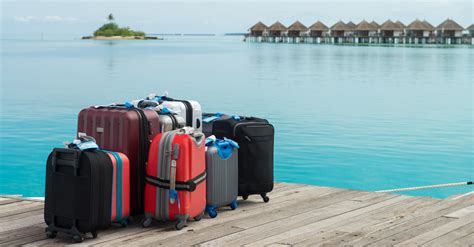
Cruise Luggage Tips: Smart Packing for the Group
First-time cruisers often have more questions about packing and embarkation than they expect. This video helps simplify the luggage side of the trip so everyone can arrive more prepared.
Good group planning should reduce questions before departure, not create more of them.
TIP 1
Start With the Real Guest List
Do not plan around everyone who says the trip sounds fun. Start with the people who are genuinely likely to book.
Likely Travelers
Build around the people most likely to commit, not the dream headcount.
Age Mix
Families, adult friends, sports teams and clubs may need very different ships and schedules.
Trip Purpose
Celebration, reunion, fundraising, relaxation and nightlife all point toward different cruise choices.
Travel Style
Know whether the group wants busy port days, sea days, nightlife, quiet time or a mix.
TIP 2
Pick the Right Cruise, Not Just the Cheapest One
A low fare can be tempting, but the cheapest cruise is not always the best value once you add flights, hotels, transfers, gratuities and optional extras.
A slightly higher fare from an easier departure port may be a better group decision if it reduces travel cost and hassle.
TIP 3
Set a Budget Range Early and Explain the Extras
Budget confusion is one of the fastest ways to drain excitement from a group trip.
Give everyone a realistic range instead of only showing the base cruise fare.
Include These Categories
- Cruise fare
- Taxes and required charges
- Gratuities or service charges
- Transportation to the port
- Optional drinks and Wi-Fi
- Specialty dining
- Shore excursions
- Travel protection if selected
TIP 4
Give People Choices, But Not Too Many
Too much choice can freeze a group just as quickly as too little.
Offer Two Strong Options
Enough choice to feel fair without opening an endless scheduling debate.
Offer a Few Price Levels
Interior, balcony and perhaps one premium option is often easier than presenting every category.
Choose a Simple Group Plan
Give everyone a reliable way to reconnect without overcomplicating every meal.
Make Most Things Optional
Plan a few shared highlights and leave the rest flexible.
TIP 5
Plan Cabins Earlier Than You Think
Cabin location and room type can affect comfort, supervision, sleep and how easy it is for the group to connect.
Connecting or Nearby
Useful when parents, children and relatives need to stay close together.
Watch the Location
Cabins near busy public areas may not suit travelers who value quiet.
Plan for Convenience
Some travelers may need easier elevator access or specific accessible accommodations.
Mix Cabin Types
Not everyone needs the same category to share the same group experience.
TIP 6
Keep Communication Simple From Day One
Official Updates
Everyone should know where accurate trip information lives.
Deadlines
Keep payment dates, document reminders and booking milestones in one place.
Questions
Travelers should know who to ask instead of sending messages everywhere.
Consistency
Email, group message or planning document can all work if everyone uses the same one.
TIP 7
Start Earlier Than You Think You Need To
More Cabin Choice
Earlier planning can improve your chances of finding useful cabin combinations.
More Time to Budget
Travelers can spread out planning and payments instead of feeling rushed.
More Time for Documents
Guests can check passport, visa and travel-document requirements well before departure.
Less Organizer Pressure
Deadlines feel easier when the whole process is not compressed into the final few weeks.
TIP 8
Plan for Travel Day Like a Realist
The cruise may be the fun part, but getting everyone to the ship is where group travel often gets tested.
If people are flying, build enough margin into the plan to account for delays, missed connections and other travel disruptions.
Travel-Day Checklist
- Arrival timing
- Airport-to-port transportation
- Hotel if needed
- Boarding documents
- Luggage tags
- Medication in carry-on
- Passport or required ID
TIP 9
Do Not Overschedule the Fun Out of It
A great group cruise has shared highlights, not nonstop obligations.
First-Night Dinner
One easy way to get everyone together at the start.
Group Picture
Pick one moment when everyone knows to show up.
One Shared Excursion
Choose one memorable shore experience and keep the others flexible.
Let People Breathe
Pool time, naps, couples time and different interests all belong on the vacation too.
BONUS TIP
Think About the Organizer’s Vacation Too
You do not need to personally solve every roommate issue, dinner request or excursion preference.
The more that is clear before departure, the less you have to manage onboard.
Group cruise support can help with cabins, deadlines, pricing and traveler questions.
The person who organized the cruise deserves to be part of the memories too.
THE REAL GOAL
Give the Group Enough Structure to Feel Confident
The best group cruises are not perfect because nothing ever changes. They work because the planning accounts for real people, real budgets and real travel hiccups.
Start early, keep expectations clear and leave enough freedom for everyone to enjoy the trip in their own way.
Good group planning should make the vacation feel easier, not more managed.
PLANNING YOUR FIRST GROUP CRUISE AND WANT TO AVOID THE COMMON MISTAKES?
Tell Captain Chuck About Your Group
Tell us who you want to bring together, roughly how many people may travel, where everyone is coming from and what you already know about the trip. You do not need to have the ship, dates or cabin plan figured out yet. We’ll help you start with the right questions, narrow the choices and give travelers a clear path forward so your first group cruise feels organized without turning the organizer into a full-time travel coordinator.