GROUP CRUISE PLANNING
How to Plan a Group Cruise Without Stress
Clear Choices. Simple Communication. More Time to Enjoy Your People.
The idea starts with one easy sentence: “Let’s get everyone together for a cruise.” Then come the questions about cabins, budgets, passports, dining, flights, accessibility and payment timing.
The key to planning a group cruise without stress is not doing more. It is making the right decisions early, keeping communication simple and giving everyone enough structure to know what comes next.
What Is the Easiest Way to Plan a Group Cruise?
Start with the group’s real needs, choose a ship and itinerary that fit those needs, set a clear budget, keep all trip information in one place and create a few shared moments without scheduling every minute.

MEET THE PERSON BEHIND THE ADVICE
Meet Captain Chuck
Chuck Lund is the founder of America’s Best Cruises and a retired Captain with over 35 years of experience taking care of his guests. He brings the same attention to planning, communication and detail to your group cruise.
His goal is simple: help your group choose wisely, understand your real costs and enjoy the anticipation without turning the organizer into an unpaid travel agent.
“I treat every guest like family because that's what these trips are all about.”
WATCH
Exceptional Planning Makes Group Travel Easier
Good group planning should reduce uncertainty instead of adding more of it. Thoughtful preparation creates a smoother experience before anyone steps aboard.
The goal is simple: organize the trip well enough that the organizer gets to enjoy it too.
START WITH PEOPLE
1. Define the Group Before You Choose the Cruise
A family reunion does not need the same cruise as a birthday group, church group, sports team or friends’ getaway.
How Many People?
Estimate the realistic group size rather than planning around the biggest possible number.
What Ages?
Children, teens, adults and older travelers may all value different ship features.
What Experience?
Relaxation, nightlife, beaches, sightseeing and family time point toward different choices.
What Really Matters?
Separate true must-haves from nice-to-haves so every decision does not become a debate.
CHOOSE FOR THE GROUP
2. Pick a Cruise That Fits People, Not Just the Brochure
More Activities & Variety
A strong fit for mixed-age groups wanting entertainment, kids’ programs and many dining choices.
Quieter & Easier to Navigate
May suit groups that prefer a calmer pace and less walking.
Lower Commitment
Can make participation easier for travelers with tighter budgets or less vacation time.
More Time Together
Works well when the cruise is the main event and the group wants a fuller vacation.
MONEY WITHOUT AWKWARDNESS
3. Set the Budget Early and Speak Plainly
Groups get into trouble when the advertised fare becomes the only number anyone discusses. A clearer conversation includes the cruise fare plus the other costs travelers may want or need to consider.
Possible Cruise Costs
- Cabin fare
- Mandatory gratuities or service charges
- Travel to the port
- Hotel before embarkation
- Beverages
- Internet
- Specialty dining
- Shore excursions
KEEP IT SIMPLE
4. Build a Process People Can Actually Follow
Choose One Organizer
Everyone should know who is coordinating the group and where official information comes from.
Use One Trip Overview
Keep the ship, itinerary, departure port, deposit dates and important details in one easy-to-find place.
Keep Messages Consistent
Repeating the same clear information is better than letting ten different versions circulate.
Give Travelers Support
A specialist can handle routine questions so the organizer is not acting as customer service every evening.
CABINS MATTER
5. Plan Cabin Locations With Real Life in Mind
Families may want connecting rooms, friends may want the same deck and some travelers may value easier access to elevators or quieter areas.
Cabin Questions to Ask
- Who needs connecting cabins?
- Who wants to be nearby?
- Who prefers a balcony?
- Who needs easier elevator access?
- Who is flexible on location?
- Which requests are truly essential?
TOGETHER WITHOUT OVER-SCHEDULING
6. Create a Few Anchor Moments
The strongest group cruises give people a reason to reconnect without making the vacation feel like a conference agenda.
First-Night Dinner
An easy way to bring everyone together after embarkation.
One Shared Excursion
Choose one memorable experience while leaving room for smaller groups to do their own thing too.
Special Event
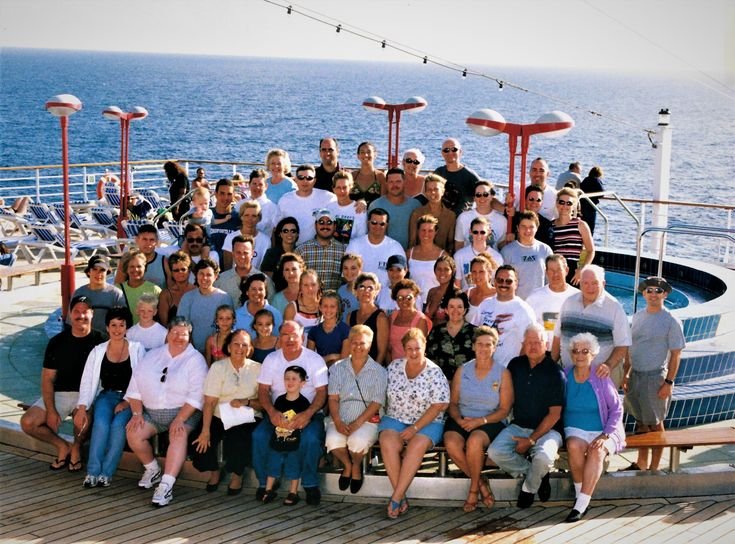
A birthday toast, anniversary dinner or group photo can become a signature moment.
Final-Night Gathering
One last shared meal or meetup gives everyone a chance to end the trip together.
DO NOT LEAVE THIS FOR LATER
7. Track Deadlines and Documentation
Know when deposits are due and what keeps a reservation active.
Communicate the final payment deadline clearly and remind travelers ahead of time.
Each traveler should verify the current identification and entry requirements for the itinerary.
Accessibility needs, celebrations and other important arrangements are easier to address early.
THE HUMAN PART OF GROUP TRAVEL
8. Expect People to Forget Things
People get busy. They miss messages. They forget deadlines. They assume someone else already asked the question.
Friendly reminders are not a sign that the group is disorganized. They are simply part of managing travel for multiple households.
WHEN SUPPORT CHANGES EVERYTHING
9. Use a Group Cruise Specialist When You Do Not Want the Trip Resting on Your Shoulders
Ship & Itinerary Guidance
Compare options based on the actual group rather than generic popularity.
Cabin Coordination
Keep room choices and locations organized as the group evolves.
Pricing & Group Terms
Understand the trade-offs, benefits and timing before committing.
Ongoing Traveler Questions
Give guests somewhere to turn without sending every question back to the organizer.
THE REAL GOAL
Plan Enough to Make the Trip Feel Easy
When people remember a great group cruise, they rarely talk about the booking spreadsheet.
They remember dinner together, a favorite port, a birthday toast, a funny story from the ship or finally getting everyone in the same place.
Make the plan clear enough that everyone can stop thinking about the plan.
READY TO PLAN WITHOUT THE STRESS?
Let Captain Chuck Help Keep the Group Moving
America’s Best Cruises can help you compare ships, organize cabin options, understand the real costs and create a simple group-planning process so the organizer gets to enjoy the anticipation too.