CIVITAVECCHIA • COLOSSEUM • ROMAN FORUM • VATICAN • HISTORIC CENTER
Rome Cruise Guide: Civitavecchia, Colosseum, Vatican & Historic Center
The most important thing to know about a Rome cruise day is simple: your ship is in Civitavecchia — not central Rome.
That makes transportation part of the sightseeing plan and turns one question into the key decision: Which Rome story deserves your limited time?
For many first-time visitors, the choice comes down to Ancient Rome, Vatican City or the historic-center piazzas.
- Count Civitavecchia-to-Rome travel time both ways
- Choose one primary Rome story instead of racing everywhere
- Verify current official tickets and access before sailing

START WITH THE PORT
Civitavecchia Is the Gateway to Rome — Not a Downtown Pier
The Port of Civitavecchia was founded under Emperor Trajan and has served as Rome’s maritime gateway for centuries.
Modern cruise itineraries still market the call as Rome (Civitavecchia), but the two places are separate.
Port Mobility currently lists rail connections between Civitavecchia and Rome, with some direct services reaching Roma Termini in under an hour and regional services taking longer. Port-to-station movement is another part of the trip.
THE ROME DECISION
Which Rome Story Fits Your Port Day?
Colosseum + Forum
Choose this when the Roman Empire, archaeology and the ancient civic city are the reason you came.
Museums + St. Peter’s
Choose art, the Sistine Chapel, religious history and Vatican City.
Trevi + Pantheon + Navona
A city-streets day built around fountains, piazzas, ancient architecture and Baroque Rome.
Pre- or Post-Cruise Rome
If Rome itself is a major reason for the trip, an extra hotel night can be more valuable than trying to force everything into a port call.
ANCIENT ROME
Colosseum, Roman Forum & Palatine
Rome’s official tourism site identifies the Colosseum, Roman Forum and Palatine among the city’s defining archaeological experiences.
The official Colosseum Archaeological Park treats the Colosseum, Forum and Palatine as part of one connected archaeological landscape.
That makes them a natural port-day theme: instead of bouncing between unrelated parts of Rome, the group can spend the day inside one historical story.
ANCIENT ROME FITS
- First-time visitors fascinated by Roman history
- Archaeology-focused travelers
- People comfortable with a substantial historic-site visit
- Groups willing to make timed admission the anchor of the day
ROME’S ANCIENT ICON
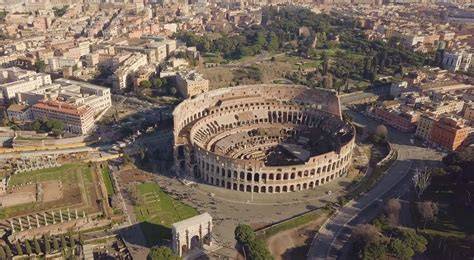
The Colosseum
Turismo Roma identifies the Colosseum as one of the city’s most important monuments, while the official archaeological park publishes current admission, visitor and ticket information.
Current Colosseum products can include reserved entry times and different archaeological-area access combinations.
That is why an evergreen cruise guide should not hard-code an old ticket price, old release window or assumption that walk-up admission will work.
THE CITY BEHIND THE MONUMENT
Roman Forum & Palatine
The Roman Forum was the civic, political, religious and commercial heart of ancient Rome.
The Palatine adds another layer, overlooking the Forum and the broader archaeological center.
For travelers who really care about ancient Rome, the Forum and Palatine are not merely filler after a Colosseum photo. They provide the urban context that helps explain what the ancient capital actually was.

A DIFFERENT ROME STORY
Vatican City
Rome is unique among major capitals because another sovereign state, Vatican City, sits within its urban fabric.
The Vatican Museums, Sistine Chapel, St. Peter’s Square and St. Peter’s Basilica create a completely different port-day experience from Ancient Rome.
For many travelers, the Vatican is substantial enough to own the day.
VATICAN DAY RULE
Do Not Treat the Vatican as “One More Rome Stop.”The museums, security, visitor procedures and scale deserve real time. Build the day around the Vatican if it is the priority.

ART + HISTORY
Vatican Museums & Sistine Chapel
The Vatican Museums’ official site warns visitors that its official ticket portal is the only official source for purchasing museum tickets online.
The collections are enormous, and the Sistine Chapel is part of the museum visit.
Current ticketing, admission procedures and visitor rules can change, so verify them through the official museum rather than relying on an old cruise article.
ST. PETER’S
St. Peter’s Square & Basilica
St. Peter’s Square and St. Peter’s Basilica form one of Rome’s most recognizable architectural and religious settings.
The basilica remains an active religious site, so access, security and visitor conduct should be treated differently from a conventional museum stop.
The Vatican Museums and St. Peter’s Basilica are also separate visitor experiences. Do not assume one admission automatically means seamless access to everything.
ROME WITHOUT THE MEGA-MUSEUM DAY
Trevi Fountain, Pantheon & Piazza Navona
Rome’s official tourism site places the Trevi Fountain, Pantheon and Piazza Navona among the city’s essential historic-center landmarks.
This route tells a different story: ancient architecture, Baroque Rome, public space and the living streets between monuments.
It can be an excellent choice for travelers who want Rome to feel like a city rather than a sequence of timed-ticket entrances.
HISTORIC-CENTER FIT
- Travelers who prefer city streets to long museum visits
- Repeat visitors
- Mixed-interest groups
- People who want architecture, piazzas and a more flexible pace
BAROQUE ROME
Trevi Fountain
Turismo Roma calls the Trevi Fountain the most famous of Rome’s fountains and describes it as the monumental endpoint of the ancient Aqua Virgo aqueduct.
The fountain works well as part of a historic-center day because it does not need to become the only reason you crossed Rome.
Current crowd-management, restoration or access procedures can change, so treat the public-space experience as something to verify close to travel.

ANCIENT + BAROQUE IN ONE CITY WALK
Pantheon & Piazza Navona
Ancient Architecture Still Inside the Living City
Turismo Roma describes the Pantheon as one of the city’s best-preserved and most admired ancient monuments.
Its position inside the historic center lets a cruise visitor move naturally between ancient Rome and later layers of the city.
Baroque Rome Over an Ancient Stadium
Piazza Navona occupies the footprint of the ancient Stadium of Domitian and later became one of Rome’s defining Baroque public spaces.
That overlap — ancient city below, Baroque city above — is one of the reasons the historic center tells Rome’s story so efficiently.
MEDITERRANEAN
Rome Is Both a Destination and One of the Mediterranean’s Great Cruise Gateways
Your supplied Mediterranean video fits here because current cruise programs use Civitavecchia both as a port of call and as an embarkation gateway for Western Mediterranean and Greek Isles itineraries.
ROME AS AN EMBARKATION CITY
Should You Add a Pre-Cruise Hotel Night?
Royal Caribbean and Norwegian currently operate cruises from Rome (Civitavecchia).
That creates an opportunity: if Rome is genuinely important to the trip, arrive before embarkation day instead of forcing airport arrival, luggage, sightseeing and a transfer to Civitavecchia into one stressful schedule.
A pre-cruise stay can separate the city from the port and let both experiences work better.
TWO DIFFERENT ROME CRUISE EXPERIENCES
Port Call or Embarkation?
THE ROME PORT-DAY RULE
Do Not Build a Day That Only Works If Nothing Goes Wrong
A realistic Rome cruise day includes terminal movement, transportation to the city, admission procedures, walking, security, meals and the return to Civitavecchia.
The city deserves more than a schedule where every delay becomes a crisis.
Leave margin. Choose priorities. Let Rome feel like Rome.
COUNT THESE HOURS TOO
- Ship-to-port-exit / station movement
- Civitavecchia-to-Rome transportation
- Security and timed-entry procedures
- Movement between Rome neighborhoods
- Rome-to-Civitavecchia return
- Ship’s required all-aboard margin
ONE PORT • DIFFERENT GREAT DAYS
Why Rome Works Well for Groups
Rome offers enough depth that people can follow different interests without the whole group moving through the city in one giant pack.
Archaeology-focused travelers can spend the day in ancient Rome.
Others can build the day around the Vatican Museums and St. Peter’s area.
Trevi, Pantheon and Piazza Navona support a more flexible day.
Repeat visitors can slow down instead of checking landmark boxes.
TWO MAJOR MEDITERRANEAN GATEWAYS
Rome and Barcelona Need Different Port Planning
KEEP EXPLORING THE MEDITERRANEAN
Use the Right Guide for the Next Question
Western Med, Italy, Greek Isles, Adriatic and Eastern Mediterranean.
SPAIN Barcelona Cruise Guide →Gaudí, Gothic Barcelona and Western Mediterranean gateway planning.
GREECE Athens Cruise Guide →Piraeus, Acropolis, Plaka and Greek Isles planning.
TÜRKIYE Istanbul Cruise Guide →Galataport, Historic Peninsula and Bosphorus planning.
MORE PORTS More Mediterranean →Adriatic, Malta and additional Greek-island destination ideas.
YOU BRING THE PEOPLE • WE HELP MAKE THE CRUISE WORK
How America’s Best Cruises Helps With a Rome Group
The organizer should not have to become everyone’s reservation desk, payment collector or Rome transportation expert.
Tell Us About the Group
Approximate size, home regions, dates, budget and Mediterranean priorities.
Compare Real Sailings
Look at Civitavecchia timing, itinerary, ship, cabins and current group terms.
Travelers Reserve
Guests remain responsible for their own reservations and applicable payments.
We Help With Details
Support applicable deadlines, preparation, cabin questions and group coordination.
KEEP THE ORGANIZER OUT OF THE MONEY FLOW
Who Should Handle Guest Cruise Payments?
Travelers should make applicable cruise payments through the agency or booking channel, cruise line or approved financing provider appropriate to the reservation.
The organizer should not need to collect or hold everybody’s vacation money.
A CLEANER GROUP STRUCTURE
- Each traveler controls their own reservation
- Cabin choices can differ
- Guests receive their own confirmations
- The organizer does not hold cruise funds
- Group benefits depend on the actual sailing and program
ROME CRUISE FAQ
Questions Cruise Travelers Ask About Rome & Civitavecchia
Rome becomes much easier to plan once you treat Civitavecchia-to-Rome transportation as part of the port day.
Train schedules, road conditions, attraction tickets, security and port procedures can change.
Do cruise ships dock in Rome?
Cruise ships serving Rome generally use the Port of Civitavecchia. Civitavecchia is a separate coastal city and maritime gateway, so central Rome requires additional transportation.
How far is Civitavecchia from Rome?
Civitavecchia is well outside central Rome. Current Port Mobility information lists direct rail connections that can reach Roma Termini in under an hour on some services, while regional trains can take longer. Port-to-station movement and return time must also be included.
What should a first-time cruise visitor do in Rome?
Choose one main Rome story. Ancient-history travelers can focus on the Colosseum and Roman Forum, art and religious-history travelers can choose the Vatican, while visitors wanting a flexible city day can focus on Trevi Fountain, the Pantheon and Piazza Navona.
Can cruise passengers visit the Colosseum and Vatican in the same day?
It may be physically possible on some long port calls, but combining both can create a rushed day once Civitavecchia transfers, security, timed admission and city movement are included. Many travelers will enjoy Rome more by choosing one as the main experience.
Do you need advance tickets for the Colosseum?
The official Colosseum Archaeological Park offers reserved and timed admission products, and current procedures can change. Verify the official ticketing information before travel rather than relying on old pricing or entry rules.
Where should Vatican Museums tickets be purchased?
The Vatican Museums states that its official online ticket portal is the only official website for purchasing Vatican Museums tickets online. Current admission and visitor procedures should be verified there.
Are the Vatican Museums and St. Peter’s Basilica the same visit?
No. The Vatican Museums and Sistine Chapel form one visitor experience, while St. Peter’s Basilica and Square are separate religious and architectural sites with their own current access and security procedures.
What is a good Rome day without a major museum?
A historic-center day around Trevi Fountain, the Pantheon and Piazza Navona can combine ancient and Baroque Rome with more flexible city walking and fewer large museum commitments.
Should cruise passengers stay in Rome before a cruise from Civitavecchia?
It can be a strong choice when Rome is important to the vacation. A pre-cruise hotel stay can separate sightseeing from airport, luggage and embarkation-day transportation to Civitavecchia.
Is Rome good for group cruises?
Yes. Different travelers can choose Ancient Rome, Vatican City, the historic center or a slower repeat-visitor day, then reconnect onboard rather than moving around Rome as one large group.
Are Rome group cruise fares always cheaper?
No. Group pricing is not automatically the lowest available fare. Public promotions, group terms, cabin inventory and possible amenities should be compared for the actual sailing.
How far ahead should a Mediterranean group cruise from Rome be planned?
Many groups benefit from roughly 10–16 months of planning time because international airfare, cabin choice and complex Mediterranean itineraries matter. Larger or high-demand groups may benefit from 12–18 months or more.
A REAL PERSON BEHIND EVERY GROUP
Meet Captain Chuck.
Chuck Lund is the founder of America’s Best Cruises and a retired Captain who helps groups compare the actual Mediterranean itinerary instead of assuming the famous city name tells the whole port-day story.
Rome is the perfect example: the cruise port is Civitavecchia, the city is inland and the best day depends on which part of Rome your people genuinely care about.
CIVITAVECCHIA • ANCIENT ROME • VATICAN CITY • HISTORIC CENTER • YOUR FAVORITE PEOPLE
Rome Has Enough History for a Lifetime. Your Cruise Day Only Needs One Great Story.
Tell us approximately how many people may travel, where they live, when they want to sail and which Mediterranean experiences matter most. We can compare Rome-based and Rome-calling itineraries before anybody commits.